 Bestone
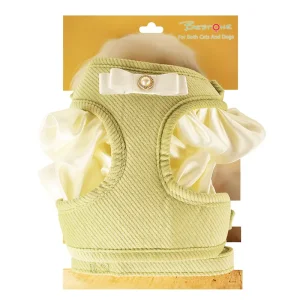





Strategic Insights: Sourcing High-Quality Adjustable Pet Harnesses
In the modern, highly saturated pet accessories market, brands, retailers, and distributors need more than just visually appealing designs. Modern pet owners view their pets as family members, shifting buying criteria heavily toward health, safety, and functionality. To capture this segment, businesses must select adjustable harnesses that prevent physical strain on pets, maintain structural integrity under load, and feature robust, safe materials.
The Anatomical Value of Adjustability
Conventional collars run the risk of putting excessive pressure on a dog's trachea, larynx, and thyroid gland during walks, especially if the pet pulls. Adjustable harnesses redistribute this pressure across the broader, sturdier chest and rib cage area. An optimal fit is critical to achieving this pressure distribution. Because physical builds differ vastly—even within the same breed—static sizes fail to fit well. By implementing multi-point adjustability (ideally 4 or 5 adjustment loops), a single harness size can accommodate fluctuations in weight, seasonal coat density changes, and differing skeletal builds. This flexibility prevents chafing, keeps the harness from slipping off, and minimizes the risk of choke injury.
Industry Growth Director's Note
"Optimizing adjustability points directly translates to higher consumer satisfaction and reduced return rates. As an importer, offering customizable, multi-point adjustable systems reduces the SKU complexity in your warehouse while serving a wider variety of pet body types."
China's Supply Chain Advantage in Pet Gear Manufacturing
China remains the undisputed epicentre of pet accessory manufacturing, thanks to an advanced industrial ecosystem that integrates design, raw material sourcing, automated fabrication, and logistics. In cities like Shijiazhuang, Hebei, manufacturers leverage local raw material clusters, including specialized nylon, high-density polyester threads, and sturdy hardware components. This proximity drastically lowers logistics times and overhead costs.
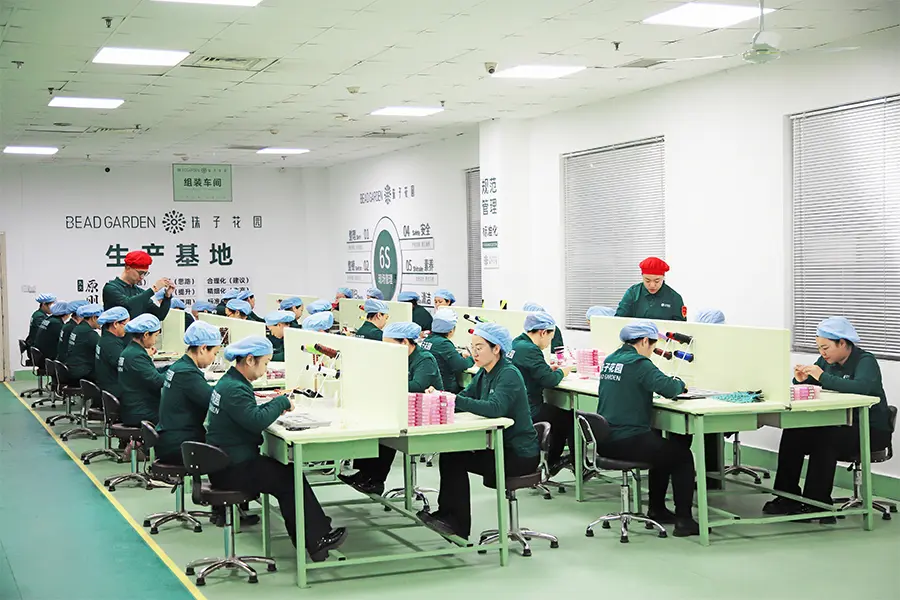
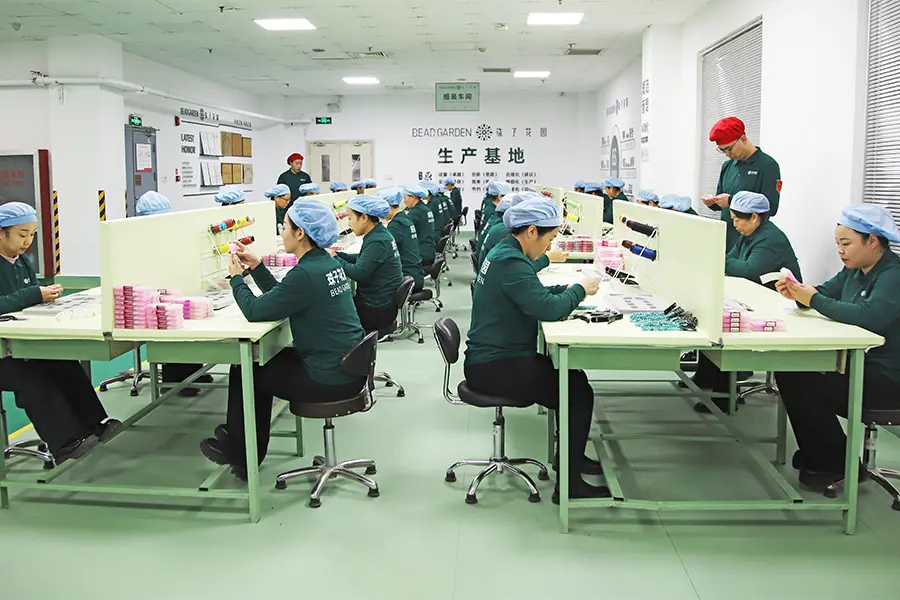
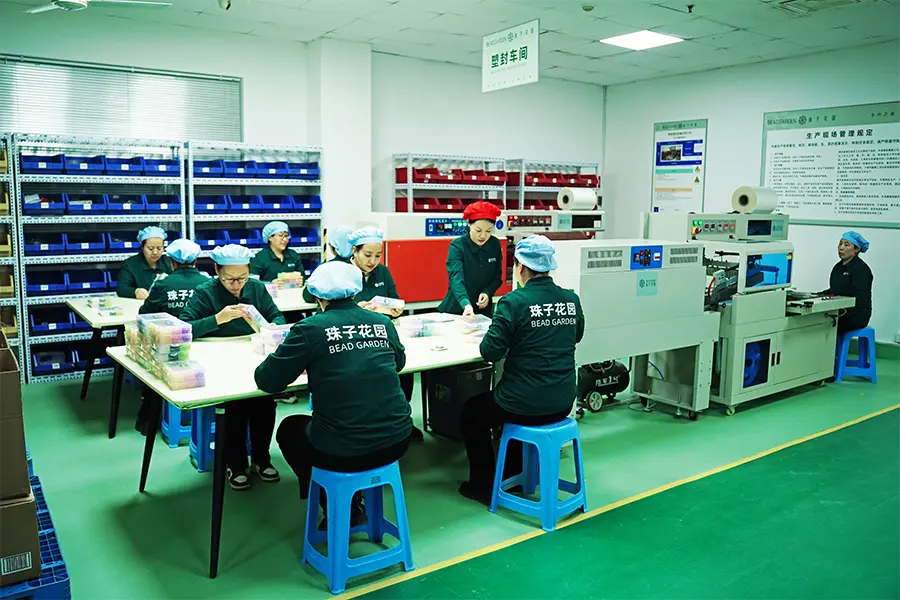
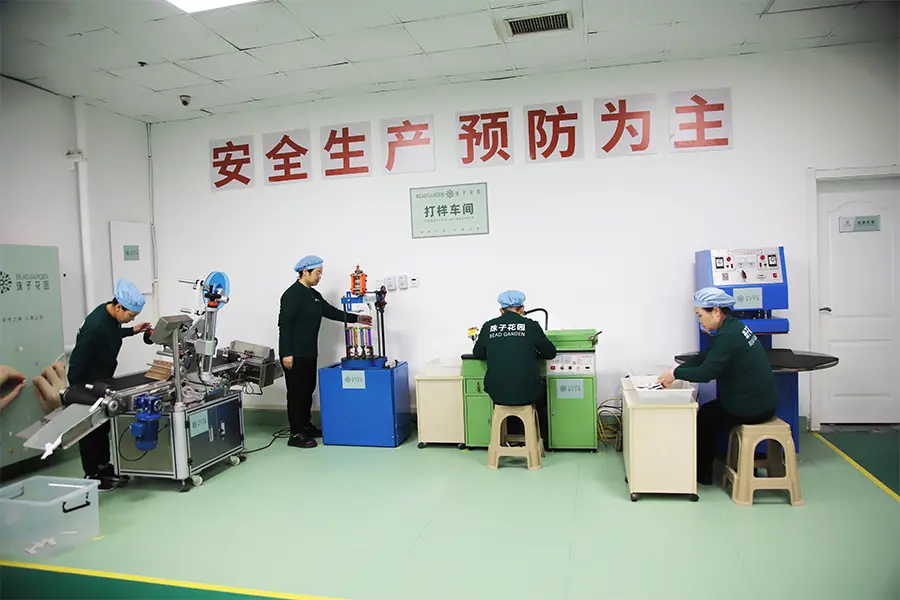
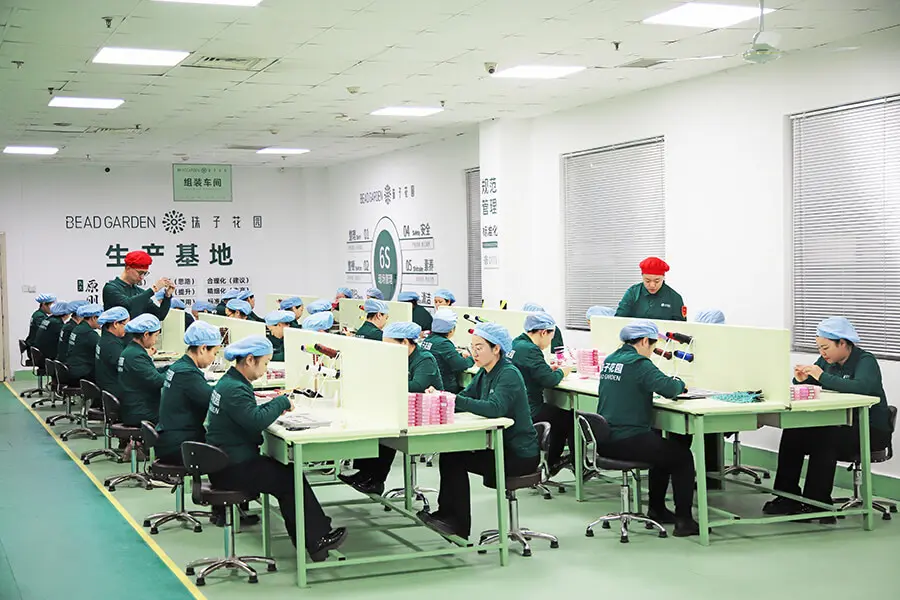
Furthermore, Chinese factories utilize advanced production machinery. Automatic computer-controlled stitching machines ensure exact stitch counts and uniform tension, both of which are critical for load-bearing seams. Laser cutting systems prevent fraying at raw strap edges, which keeps harnesses looking new and performing reliably for years. By combining these advanced fabrication techniques with lower manufacturing costs, Chinese suppliers can offer superior quality at highly competitive prices, giving global brands room for healthy profit margins.
Certifications and Supply Chain Trust
When selecting a manufacturing partner, certification compliance is the ultimate benchmark for reliability and safety. Leading suppliers demonstrate compliance through external audits and quality benchmarks, ensuring products meet safety standards worldwide.
- ISO 9001:2015 & ISO 14001: Establish repeatable quality processes and demonstrate a clear commitment to environmentally responsible manufacturing.
- BSCI & Sedex: Validate that the factory adheres to ethical, safe, and transparent labor standards, giving global brands peace of mind regarding human rights in their supply chains.
- Disney & NBCUniversal: Confirm that the factory can meet strict corporate security, quality control, and workplace safety requirements.
- C-TPAT: Accelerates customs processing, particularly for shipments arriving in United States ports, minimizing trade disruption risk.