Historically, the pet accessory industry relied on materials like polypropylene (PP), polyethylene (PE), and stainless steel. While functional, plastics are prone to micro-cracks that harbor bacteria, whereas lower-grade stainless steels can leach nickel under acidic dietary conditions. The modern global market demands premium silicone elastomers—specifically food-grade and platinum-cured varieties—for manufacturing pet feeding bowls.
Silicone (polysiloxane) is an inorganic polymer consisting of a silicon-oxygen backbone. Its chemical structure makes it inert, highly resistant to thermal degradation (ranging from -40°C to 230°C), and hydrophobic. For pet feeding bowls, this translates into a non-porous, hypoallergenic surface that prevents biofilm accumulation. The high surface friction inherent to silicone also provides natural slip resistance, mitigating the need for separate rubberized bases that frequently detach during commercial wash cycles.
Information Gain Insight: Peroxide curing vs. Platinum curing. In standard ODM operations, peroxide curing is common because it has lower tooling costs. However, platinum-catalyzed addition curing leaves no chemical byproducts (like volatile organic acids), meaning it has zero odor, high transparency, and complies with German LFGB standards. This is the gold standard for luxury pet feeding bowls.
China remains the world's leading manufacturer of silicone kitchenware and pet accessories, driven by integrated supply chains, precision mold engineering, and raw material access. Chinese factories, particularly those in the Hebei and Guangdong manufacturing corridors, offer unique competitive advantages:
The global pet economy is undergoing a premiumization trend. Buyers are no longer purchasing simple open-dish bowls; they are sourcing ergonomic, behavioral-aid feeding systems. This change is driven by several market factors:
Canine indigestion, flatulence, and gastric dilatation-volvulus (GDV) are common health issues associated with rapid food consumption. Slow feeding bowls feature molded internal structures (like mazes, grids, and ridges) that force pets to navigate their food, extending feeding times by up to 5x to 10x. Silicone is the ideal material for these complex patterns because it is gentle on pet noses and tongues, unlike rigid plastic edges.
Outdoor pet recreation is on the rise. Collapsible bowls use concentric accordion pleats designed to fold down to a flat profile (typically less than 1.5 cm thick). The flexibility and memory properties of silicone allow these bowls to undergo thousands of compression cycles without tearing or cracking.
Recent innovations include adding silver-ion antimicrobial compounds into the liquid silicone mixture. This provides continuous surface sanitization. Additionally, ODM designs are incorporating magnetic bases to integrate with electronic smart scales or RFID microchip feeders, catering to tech-integrated pet households.
Understanding the exact search intent of buyers requires analyzing the end-use scenarios that shape commercial demand. Hebei Bestone Jewelry Co., Ltd. tailors its ODM catalog to fit these localized applications:
Urban pet owners face challenges with messy eating and limited space. Low-profile silicone bowls with built-in spill-containment mats catch stray kibble and water, protecting hardwood floors and keeping apartment spaces clean.
Designed for active pet owners who hike, camp, or travel. These products feature reinforced grommets with aluminum carabiners, allowing them to clip securely to backpacks or belts for easy transport.
Veterinary clinics and high-occupancy boarding kennels require products that can withstand autoclave sterilization and high-temperature commercial dishwashing. Platinum-cured silicone maintains structural integrity through these repeated heating cycles.
As brands navigate volatile global shipping markets, B2B procurement professionals must look beyond unit price to assess supplier capabilities. A robust ODM partner must offer more than just basic manufacturing. They need to provide comprehensive support: product design, structural engineering, raw material compliance, packaging design, and supply chain logistics.
Hebei Bestone Jewelry Co., Ltd. addresses these challenges by offering a one-stop service. With 20 years of OEM/ODM experience for global retail chains, Bestone manages everything from design to final shipping. This vertical integration shortens lead times, ensures quality control, and helps brands launch new products quickly and efficiently.
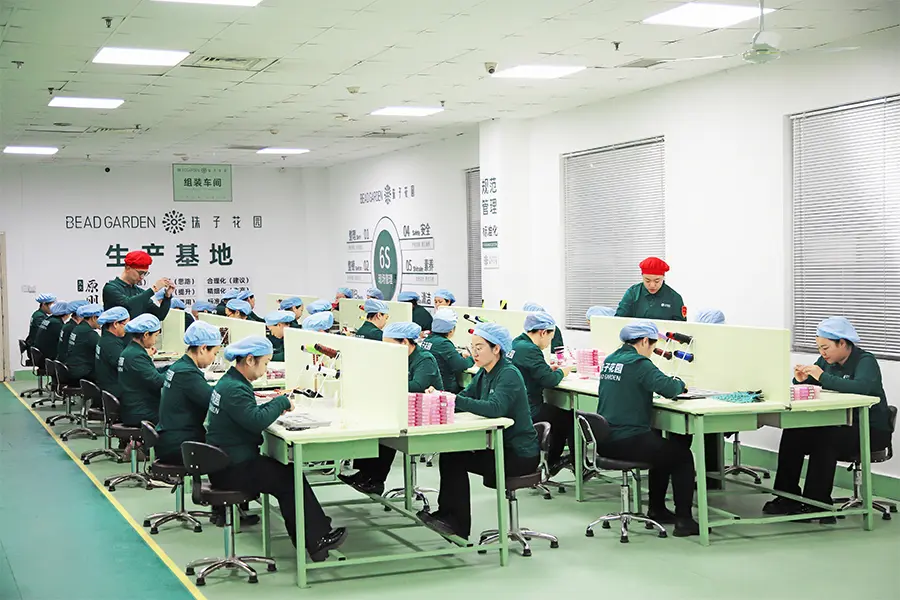
Equipped with automatic compression molding presses and liquid injection machines, our facilities produce high-volume pet accessories to meet demanding retail timelines.
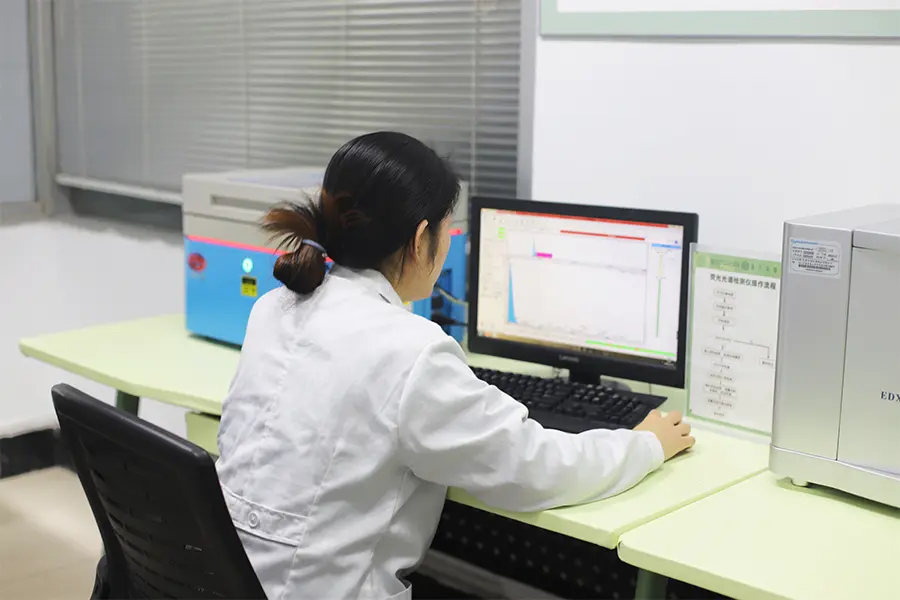
We verify chemical compositions and check for heavy metals using fluorescence spectroscopy, ensuring our food-grade silicone is pure and free from contamination.

Our R&D department features 10+ experienced designers who create functional, modern pet accessories that stand out in competitive retail markets.

Certified for strict brand compliance, chemical safety, and ethical labor standards, qualifying us to manufacture licensed products.

Regularly audited under the Business Social Compliance Initiative, ensuring fair wages, workplace safety, and ethical treatment for all workers.

Registered with Sedex to maintain transparency in our supply chain, helping global buyers monitor and manage risk.

Certified by Disney to produce safe, high-quality, and compliant products for the global entertainment brand.
U.S. Customs-Trade Partnership Against Terrorism certification ensures secure supply chains and faster clearance at ports.

Certified Quality Management System ensures consistent product quality, batch traceability, and continuous improvement.

Our environmental management system keeps our footprint low through waste reduction and resource-efficient manufacturing.
Sourcing silicone pet feeding bowls globally requires detailed due diligence. To help purchasing directors, supply chain managers, and brand owners make informed decisions, here is a breakdown of the key factors to evaluate when selecting a supplier:
Quality starts with the raw material. Reputable manufacturers should provide testing certificates from accredited laboratories like SGS, TÜV, or Intertek. Sourcing managers must verify that products pass FDA 21 CFR 177.2600 (for the US market) and LFGB (for the EU market). These tests check for chloroform-soluble extractives to ensure the silicone does not leach harmful compounds into food or water.
For custom designs, 3D prototyping using SLA or FDM print systems helps verify shape, volume, and ergonomics. Once approved, the steel injection mold is cut. A professional factory should complete prototype molds in 7 to 10 days and mass-production molds in 25 to 30 days, helping you bring new designs to market quickly.
Major retail chains require suppliers to pass social audits. Sourcing from a factory certified by BSCI, Sedex, Disney, and NBCUniversal ensures the facility complies with ethical labor laws, operates safely, and protects your brand from supply chain liabilities.

 Bestone