The global Dog Collar Charm market is moving beyond simple decoration. Buyers now expect attractive designs, dependable materials, and consistent supplier performance. A small charm may include stainless steel, enamel, engraving, or polished alloy details. Each choice affects weight, durability, comfort, and production cost.
Animal behavior expert Temple Grandin said, “Animals are more sensitive than people give them credit for.” Her observation matters here. A charm should not create sharp edges, excessive noise, or unnecessary collar weight. Responsible suppliers consider the dog’s movement, coat, and daily habits. They also provide clear material specifications, sample approvals, and practical quality checks.
This guide examines leading Dog Collar Charm suppliers for global buyers. It considers design capability, customization, minimum order quantities, packaging, communication, and manufacturing consistency. Product photographs can be useful. They can also hide uneven plating or weak attachment points. Samples reveal more.
Some suppliers look impressive online but respond slowly after payment. That is a warning sign. Others offer low prices with unclear alloy details. That can create avoidable concerns. Buyers should request production samples, inspect the clasp, and compare the finished charm with the approved artwork.
The selection process is not perfect. Supplier rankings can change with capacity, staffing, and quality control. Even experienced buyers can miss small defects. A charm may look elegant on a screen but feel heavy in the hand. Careful testing remains necessary. Reliable sourcing depends on evidence, not attractive promises.
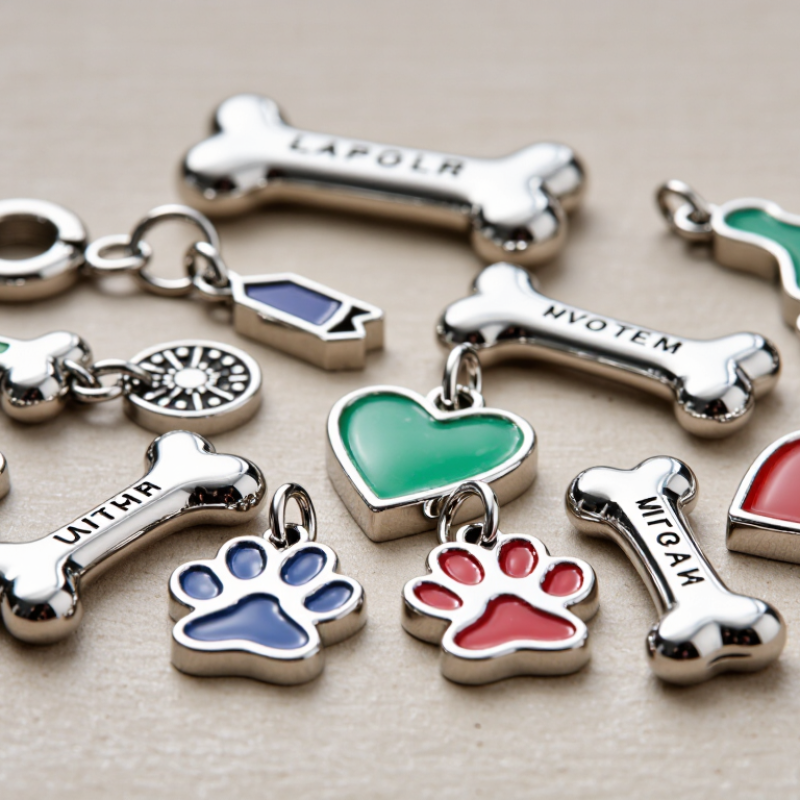
The global dog collar charm supplier market is shaped by small design details and strict purchasing decisions. Buyers usually compare material safety, engraving quality, production capacity, and delivery reliability. Common materials include stainless steel, aluminum, enamel, and durable silicone. Each option suits different budgets and collar styles.
A reliable supplier should provide clear material specifications and recent product samples. Inspect the charm’s edges, clasp strength, surface finish, and resistance to moisture. A polished sample can still hide weak attachment points. That matters.
Global buyers also need practical communication. Ask about minimum order quantities, sampling fees, packaging, inspection procedures, and production timelines. Suppliers serving several regions should understand labeling expectations and transport documentation. However, claims about compliance should be verified through current certificates and independent testing when necessary. Trust needs evidence.
Pricing alone can mislead purchasing teams. A low unit cost may exclude custom molds, protective packaging, or replacement units. I have seen buyers focus on appearance and overlook inconsistent hole sizes, which caused fitting problems during assembly. That mistake is avoidable, but not rare. Supplier evaluation should include a small trial order, written specifications, and photographs from different production batches. Even then, quality can vary slightly. Buyers should decide which variations are acceptable before placing larger orders.
Estimated dog populations provide a practical proxy for the addressable market for dog collar charms and related accessories. The United States represents the largest market in this comparison, followed by the United Kingdom, Germany, Japan, France, and Australia.
Data shown in millions of dogs. Figures are approximate 2022–2024 estimates compiled from national pet population surveys and industry reports; they indicate market potential rather than collar charm sales.
Top Dog Collar Charm Suppliers for Global Buyers
Reliable suppliers usually offer several charm formats for different collar styles. Classic metal tags suit everyday wear and can carry engraved names or contact details. Small pendants add decoration without making the collar heavy. Enamel charms provide brighter colors, while reflective pieces improve visibility during evening walks. Some suppliers also produce seasonal shapes, engraved discs, and removable charm sets. Fit matters more than appearance alone.
Stainless steel remains a practical choice because it resists rust and handles frequent cleaning. Aluminum is lighter, but it may scratch more easily. Brass offers a warm, vintage look and develops a natural patina over time. Silicone and soft PVC charms feel comfortable against fur and can reduce noise. Natural wood looks distinctive, yet it needs careful sealing. No material is perfect.
Experienced buyers should request material specifications, finish samples, and size drawings before placing large orders. A charm with a sharp edge can catch fur or irritate skin. Suppliers should explain plating thickness, attachment strength, and packaging protection. Sample testing helps reveal loose rings, fading color, or unexpected weight. I have seen attractive samples fail during repeated movement. That lesson is easy to overlook. Ask about batch consistency, not just the first sample.
| Product Type | Common Materials | Typical Shape or Finish | Suitable Collar Application | Customization Options | Typical Size Range | Key Buyer Considerations |
|---|---|---|---|---|---|---|
| Engraved Identification Charms | Stainless steel, anodized aluminum, brass | Round, bone-shaped, heart-shaped, polished or brushed | Everyday collars requiring visible pet identification | Engraved pet name, telephone number, symbol, font and reverse-side text | Approximately 20–35 mm in diameter or length | Stainless steel offers strong corrosion resistance; text depth and readability should be checked before ordering. |
| Decorative Metal Charms | Zinc alloy, stainless steel, brass, aluminum | Plated, enamel-filled, brushed, antique or high-polish finish | Fashion collars, seasonal collections and gift sets | Custom silhouettes, plating color, enamel color, embossed or debossed artwork | Approximately 15–30 mm | Buyers should request coating specifications and verify that edges are smooth and free from sharp projections. |
| Enamel and Printed Charms | Stainless steel, zinc alloy, aluminum, epoxy resin | Soft enamel, hard enamel, UV-printed or domed surface | Colorful promotional, themed and character-style accessories | Logo-free custom artwork, color matching, surface pattern and packaging card | Approximately 18–35 mm | Color samples are recommended because digital artwork and final enamel or print colors may differ. |
| Silicone and Rubber Charms | Silicone rubber, PVC or other flexible polymers | Soft-touch, molded, raised or recessed design | Lightweight collars, puppy products and casual outdoor use | Custom molded shape, color, texture, thickness and printed details | Approximately 20–40 mm | Material composition, odor, flexibility and resistance to saliva, moisture and repeated washing should be evaluated. |
| Wooden and Natural-Style Charms | Beech, birch plywood, bamboo, cork | Laser-cut, engraved, stained or clear-coated | Eco-themed products, handmade collections and boutique packaging | Custom engraving, wood species, stain, shape and surface coating | Approximately 25–40 mm | Wood products should be protected from prolonged soaking and checked for splinters, cracking and coating safety. |
| Acrylic and Transparent Charms | Acrylic sheet, recycled acrylic, polycarbonate | Clear, frosted, translucent, glitter or printed finish | Lightweight fashion accessories and colorful promotional designs | Custom artwork, transparency, edge color, glitter effect and hole position | Approximately 20–40 mm | Thickness and impact resistance are important for preventing cracks during shipping and daily movement. |
| Reflective and Visibility Charms | Reflective film, reflective fabric, coated metal, acrylic | Reflective print, high-visibility color or reflective insert | Night walks, low-light conditions and visibility-focused accessories | Shape, reflective pattern, color, printed message and attachment style | Approximately 25–45 mm | Reflective performance should be tested under direct light; these charms do not replace a certified light or safety device. |
| Bell and Sound Charms | Brass, stainless steel, aluminum, plastic | Small hollow bell with loop, split ring or clip attachment | Collars where an audible locating feature is desired | Bell size, tone, surface finish, engraving and attachment hardware | Approximately 15–25 mm | The sound level should be appropriate for the animal; attachment security and noise tolerance require practical testing. |
| Interchangeable Clip-On Charms | Stainless steel, zinc alloy, aluminum, silicone | Clip, lobster clasp, snap ring or slide-on design | Collars with replaceable seasonal or decorative accessories | Clip style, charm shape, finish, color and multi-piece assortment | Approximately 15–35 mm | Check clasp strength, opening size and compatibility with the collar width to reduce accidental detachment. |
Global buyers should evaluate dog collar charm suppliers beyond appearance and catalog photos. Request clear material specifications, such as stainless steel, silicone, or coated alloy composition. Surface plating should resist flaking after repeated rubbing against fur and metal rings. Ask for sample pieces before placing a larger order. Check edges by hand, inspect the clasp, and measure the charm’s weight. A polished finish is not enough.
Safety requires practical testing. The charm should not create sharp points, loose parts, or an easy choking hazard. Ask whether suppliers perform pull, corrosion, and small-part tests. Independent laboratory reports are more reliable than unsupported safety claims. Requirements can differ between destination markets, so buyers should confirm applicable product rules with qualified local advisers.
Packaging also matters; clear warnings and care instructions reduce avoidable misuse. Customization should include accurate color matching, engraving depth, logo placement, and sample approval. Even a two-millimeter error can affect a small charm’s readability.
Tips: Compare at least three samples. Test them with a soft cloth, water exposure, and repeated clasp movement. Keep written approval records for every design detail. Do not rely on one inspection photo. I have seen attractive samples hide weak loops and uneven plating; this is easy to miss during fast purchasing. Suppliers who answer technical questions directly usually provide stronger quality evidence, though confidence should still be checked against documents and physical testing.
Pricing, minimum order quantities, and production capacity shape every successful charm purchase. A low unit price may hide expensive molds, plating fees, or complicated packaging. Request a detailed quotation with material, size, finish, and shipping terms listed separately. Stainless steel charms often suit daily wear, while alloy options can reduce costs for larger campaigns. Ask for pre-production samples. A small sample fee can prevent hundreds of unusable pieces.
Minimum orders vary by design complexity and finishing method. Simple stamped charms may start at a few hundred units. Custom enamel designs often require higher quantities. Buyers should compare the total landed cost, not only the factory price. Some suppliers offer mixed designs within one order, but the rules may be unclear. Confirm whether each shape needs its own mold and whether repeat orders use the same tooling.
Tips: Check monthly capacity, not just advertised output. Ask how many lines handle your order. Request photos of packed goods and recent inspection records. Confirm lead times for samples, production, and quality checks. A supplier promising ten-day delivery may still need three weeks during peak seasons. I have found that written specifications prevent more disputes than friendly calls. Still, no checklist is perfect. Leave room for a small pilot order before scaling globally.
Reliable international purchasing begins with evidence, not attractive catalog photos. Request samples from several dog collar charm suppliers before discussing large orders. Examine the charm’s edges, clasp strength, surface finish, and attachment method. Samples reveal more.
Ask for clear material specifications, size tolerances, plating details, and production photographs. A dependable supplier should explain quality checks without vague promises. Request test reports when materials may contact pets or skin. Small details matter, especially smooth edges and secure fasteners.
My first supplier comparison focused too heavily on price. That was a mistake. Lower quotes sometimes hid higher minimum order quantities, weaker packaging, or uncertain delivery schedules. Compare the complete landed cost, including sample fees, packing, freight, and possible import charges. Confirm production lead times in writing, then ask how delays are handled.
Communication is another practical test. Send the same technical questions to each supplier and compare response accuracy. Reliable teams usually provide consistent measurements, inspection records, commercial invoices, and packing lists. They should also clarify whether custom colors or shapes affect timing. Do not rely only on a polished website. Visit a facility when possible, or use an independent inspection service before shipment. Supplier performance can change, so review each order carefully, even after a successful first purchase.
Common options include engraved tags, small pendants, enamel shapes, reflective pieces, and removable charm sets. Fit matters. The charm should match the collar and remain comfortable during movement.
Stainless steel resists rust and frequent cleaning. Aluminum weighs less but may scratch. Brass offers a warm appearance and develops a natural patina. Silicone and soft PVC feel gentle against fur.
Natural wood can look distinctive, but it needs careful sealing. Moisture may damage an unsealed surface. I might underestimate maintenance when judging appearance alone.
Request material details, size drawings, finish samples, plating thickness, and attachment strength. Also check edge smoothness and packaging protection. A sharp edge can catch fur or irritate skin.
Samples can reveal loose rings, fading color, unexpected weight, or weak attachments. Move the charm repeatedly and clean it as expected. Attractive samples can still fail later.
Ask for separate costs covering materials, molds, finishes, packaging, and shipping. A low unit price may hide tooling or packaging charges. Compare total landed cost, not only factory pricing.
Simple stamped designs may require a few hundred units. Custom enamel designs often need higher quantities. Confirm whether each shape requires a separate mold.
Ask about monthly capacity, active production lines, sample timing, and quality checks. Request recent inspection records and photos of packed goods. A small pilot order is safer than immediate scaling.
The global Dog Collar Charm supplier market offers a wide range of decorative and functional accessories for pet products, including engraved tags, personalized charms, enamel designs, and lightweight metal or acrylic options. Buyers should compare materials, finishes, attachment methods, and customization services to ensure each charm matches the intended style, durability, and pet comfort requirements. Quality evaluation should include secure construction, smooth edges, corrosion resistance, non-toxic materials, and appropriate safety testing.
International buyers should also review supplier pricing, minimum order quantities, sample policies, lead times, packaging options, and production capacity. A dependable supplier should communicate clearly, provide consistent product specifications, support design approval, and demonstrate reliable quality control throughout manufacturing. By comparing these factors carefully, purchasers can identify partners capable of delivering attractive, safe, and consistent Dog Collar Charm products for different markets and order sizes.