What Are Pet Collar Charms and How Do They Work?

Time:2026-10-15 Author:Amelia
0%

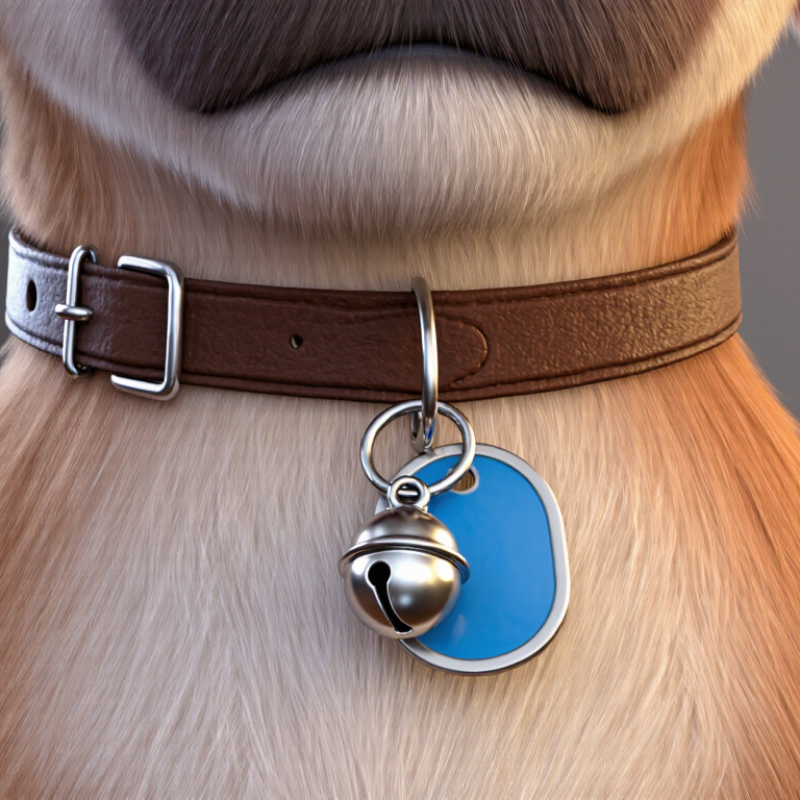
Pet Collar Charms are small decorative or functional accessories attached to a pet’s collar. They can feature names, symbols, colors, or tiny bells. Some charms support identification. Others simply add personality to an everyday collar.

The mechanism is simple. A charm usually connects through a split ring, clip, or short loop. As the pet moves, it hangs from the collar and remains visible. Its value depends on more than appearance. The attachment must stay secure without pulling, pinching, or creating a snagging point. Materials also matter. Stainless steel, smooth silicone, and lightweight aluminum are common choices. Rough edges can irritate sensitive skin.

Veterinarian Dr. Marty Becker offers a useful safety principle: “A pet accessory should support comfort, safety, and the human-animal bond.” That idea fits Pet Collar Charms well. A beautiful charm becomes a poor choice if it is heavy, noisy, or difficult to remove. Some pets tolerate accessories immediately. Others scratch, chew, or freeze when something new touches their collar.

Owners should check the charm regularly. Look for cracks, loose rings, rust, and damaged fasteners. Keep the charm light, especially for cats, puppies, and small dogs. A quick test helps: move the collar gently and watch for rubbing or restricted movement. Still, product labels do not tell the whole story. Real pets behave differently. The safest choice may be less decorative than expected.
What Are Pet Collar Charms and How Do They Work?

Definition and Purpose of Pet Collar Charms

What Are Pet Collar Charms and How Do They Work?

A pet collar charm is a small accessory attached to a dog or cat’s collar. It may carry a symbol, short message, or contact detail. Some charms are decorative, while others include QR codes or NFC technology. A charm moves with the collar, making it noticeable when the pet walks, shakes, or approaches someone. Its purpose is simple: support identification, communicate useful information, or add visibility. It is not a substitute for a proper ID tag. It is not magic.

Most charms use a split ring, clip, or silicone loop. The attachment should remain secure but avoid restricting the collar. A veterinary professional should check the collar’s fit, especially for growing animals. The American Veterinary Medical Association explains that microchips provide permanent identification, but they are not GPS devices. A visible collar tag or charm still helps a finder respond quickly. This practical difference is often overlooked.

The American Pet Products Association reported that 66% of U.S. households owned a pet in its 2023–2024 National Pet Owners Survey. That large population increases demand for small, visible identification accessories. However, ownership data does not prove that charms prevent loss. Their value depends on readable information, updated contact details, and secure attachment. A QR charm may fail if the finder cannot scan it or the linked profile is outdated. For better reliability, owners should pair charms with microchip registration, current records, and routine collar inspections.

Main Types and Materials of Collar Charms

Pet collar charms are small attachments that add identification, decoration, or limited safety support. The American Pet Products Association reported approximately $152 billion in U.S. pet-industry spending in 2024, showing strong demand for practical pet accessories. However, charms remain secondary tools. An engraved ID charm can display a pet’s name and phone number. A reflective charm improves visibility near headlights. Bell charms create sound, but some animals find them stressful. Tracker holders may support electronic devices, although the holder itself is not a tracking system.

Materials affect comfort, durability, and maintenance. Stainless steel resists rust and suits active dogs that swim or play outdoors. Aluminum is lighter, but its surface may scratch more easily. Brass offers a warm appearance and develops a natural patina. Silicone and soft polymers feel quieter against metal tags. They can also reduce sharp contact around the neck. Acrylic and enamel create bright designs, though cracks may appear after repeated impact. Natural wood looks distinctive, but moisture can cause swelling or discoloration.

Weight matters more than many buyers expect. A heavy charm can pull on a narrow collar and create irritating noise. Check the clasp every few days. It should close fully without pinching fur. During fitting, keep two fingers between the collar and the neck. The International Organization for Standardization’s ISO 105-A02 color-fastness method is useful when evaluating printed or dyed surfaces, but household testing cannot replace laboratory testing. I would also avoid assuming “stainless” means allergy-proof; metal blends vary, and sensitive pets may still react.

Pet Collar Charms: Main Types and Materials

Collar charms are small accessories attached to a pet collar with a split ring, clasp, or slide-on mount. Their material affects durability, weight, and appearance.

The chart compares typical material density in grams per cubic centimeter (g/cm³). Aluminum and acrylic are lightweight choices, while brass, stainless steel, and sterling silver are denser and generally feel heavier at the same size. Common charm forms include identification tags, decorative pendants, bells, and reflective or illuminated charms.

How Pet Collar Charms Attach and Function

What Are Pet Collar Charms and How Do They Work?

Pet collar charms are small accessories attached to a collar for decoration, identification, or a gentle sound. Their usefulness depends on attachment, not appearance alone. Most charms use a split ring, clip, or short silicone loop. The connector passes through the collar’s fabric or hardware loop. A correctly fitted charm should remain secure during walking, scratching, and sleeping. Some charms rattle softly, helping owners notice movement indoors. That sound may bother noise-sensitive pets.

A split ring grips like a tiny key ring and needs careful closing. A clip attaches faster, but it may open after catching on furniture. Silicone loops stretch around the collar and should not hang loosely. Before use, pull the charm gently from several directions. Check whether it blocks the buckle, adjustment holes, or a breakaway release. The charm should not press against the pet’s throat or create a loose loop near the mouth.

Regular inspection matters. Look for rust, cracks, bent metal, or frayed collar material. Replace damaged parts promptly. It is easy to assume a tighter attachment is always safer, but excessive weight can make a collar uncomfortable. A lightweight charm with rounded edges is usually more practical. Each pet reacts differently, so observe scratching, head shaking, or unusual hesitation. If those signs appear, remove the charm and reassess its size, sound, and position.

Safety, Comfort, and Visibility Considerations

What Are Pet Collar Charms and How Do They Work?

Pet collar charms are small attachments fixed to a collar ring. They can display identification details, reflect light, or make a soft sound during movement. Some contain reflective surfaces that shine under headlights. Others use small lights or textured materials. Their purpose depends on the design. A charm should stay secure without changing how the collar fits.

Safety and comfort deserve careful attention. Choose a lightweight charm with smooth edges and no loose parts. A heavy attachment may pull on the neck or annoy a sensitive pet. Long shapes can catch on branches, crates, or furniture. Some pets also dislike repeated jingling. Watch their body language, especially scratching, head shaking, or hiding. Visibility improves at night, but reflective material cannot replace supervision or a secure collar. A charm is not a cure-all. I have found that small fit changes can matter more than attractive decoration.

Tips: Check the attachment before every walk. Make sure it does not block the collar buckle or identification tag. Replace cracked pieces quickly. Test reflective details in a dim area, not only indoors. Remove the charm during unsupervised crate time if it can snag. When in doubt, choose comfort over appearance.

What Are Pet Collar Charms and How Do They Work? - Safety, Comfort, and Visibility Considerations

Charm Type How It Works Primary Purpose Safety and Comfort Considerations Visibility or Identification Value Overall Usefulness
Decorative metal charm Attaches to a collar ring with a split ring, clasp, or short connector and moves with the collar. Personalization and visual decoration. Choose smooth, rounded edges and corrosion-resistant materials. Avoid loose parts that can be chewed or swallowed. Usually low in darkness unless the surface is reflective or brightly colored. High for appearance
Low for locating
Engraved identification charm Displays information such as a pet's name, telephone number, or “needs medication” note. Fast identification if the pet is found by another person. Text should remain legible after normal wear. Keep personal information limited to what is necessary. Provides direct, offline identification without requiring a phone, battery, or internet connection. High for basic identification
Reflective charm Uses a reflective surface to return light toward a source, such as vehicle headlights or a flashlight. Improving visibility in low-light conditions. Keep the reflective area clean and securely attached. Reflection depends on the light source and viewing angle. Useful at night when illuminated by headlights or a flashlight; it does not glow independently. High for nighttime visibility
Glow-in-the-dark charm Stores light from sunlight or indoor lighting and releases it gradually in darkness. Making the collar easier to see in dim surroundings. Brightness decreases over time and varies with charging exposure. Use pet-safe, non-fragile materials. Can remain visible without a direct light source, but generally has a shorter and weaker range than active lighting. Moderate for low-light visibility
LED light charm Uses battery-powered light-emitting diodes to produce steady or flashing light. Active visibility during nighttime walks or outdoor activities. Check battery security, heat, water resistance, and attachment strength. Never allow a pet to chew the device. More noticeable than passive reflective material in darkness, but batteries require inspection and replacement or recharging. High for active visibility
Bell charm Contains a small metal or lightweight bell that produces sound when the pet moves. Audible awareness of movement, especially indoors or in dense vegetation. Some pets may find repeated sounds stressful. The bell should be lightweight, securely attached, and not large enough to catch on objects. Provides sound-based awareness but does not show the pet's exact location and may be ineffective outdoors in noisy conditions. Moderate for audible awareness
QR-code identification charm Displays a scannable code that can open an online profile containing contact or medical information. Sharing more information than can fit on a small engraved surface. The code must remain readable and securely attached. The finder may need a compatible phone, camera, and internet access. Can provide updated information, but it is not dependable when the code is damaged or connectivity is unavailable. Moderate to high for identification
Lightweight silicone charm Hangs from the collar and bends or flexes during normal movement. Comfortable decoration or basic identification. Often quieter and less likely to scratch furniture than rigid metal. Inspect for tears, cracks, and chewing damage. Visibility depends on color, printing, or added reflective material. High for everyday comfort
Water-resistant charm Uses sealed, coated, or non-absorbent construction to tolerate rain, splashes, or occasional bathing. Maintaining function during ordinary outdoor use. “Water-resistant” does not always mean waterproof. Remove the charm if the manufacturer’s care instructions prohibit soaking. Printed details, reflective coatings, and electronic components may wear faster when exposed to water and chemicals. High for outdoor durability
Electronic locator charm May use Bluetooth or another wireless connection to help detect a nearby item or transmit location through a compatible system. Supporting recovery efforts when a pet is missing. Requires battery management and secure attachment. Wireless range and performance can be affected by buildings, terrain, and signal availability. Can assist with location-related searching, but it is not a substitute for supervision, an identification tag, or a microchip. Variable; depends on technology and coverage
Breakaway-compatible charm Attaches to a collar designed to release under sufficient pulling force, reducing the risk of snagging. Balancing identification or visibility with escape safety. Use only with a compatible collar and verify that the charm does not interfere with the release mechanism. Test the attachment regularly. Can retain identification or visibility benefits while reducing some entanglement risk. High when correctly matched
Heavy or oversized charm Hangs from the collar but adds more mass and movement than a standard lightweight charm. Large-format decoration or display of more information. May swing against the chest, create noise, affect comfort, or catch on objects. Select a size proportionate to the pet and collar. May be easier to see, but extra size does not automatically improve nighttime visibility. Use with caution

Choosing and Maintaining the Right Collar Charm

A collar charm is a small pendant attached to a pet collar. It may show personality, aid visual identification, or add a gentle sound. It is not a substitute for an identification tag or microchip.

APPA’s 2023–2024 National Pet Owners Survey reports that 66% of U.S. households own a pet, representing about 86.9 million homes.

That large population makes fit and maintenance practical concerns, not decorative afterthoughts.

Choose a lightweight charm with smooth edges and a secure, quiet attachment. For cats, use a breakaway collar and keep the charm small to reduce snagging risks. For dogs, match the charm’s weight to the collar width and the animal’s size.

FEDIAF’s 2024 European Pet Population and Market report estimates that 139 million European households share life with pets. More households mean more varied needs. A charm that suits a calm indoor cat may annoy an active dog. I have made that mistake.

Inspect the loop, clasp, and collar stitching weekly.

Replace the charm if it bends, rattles harshly, or develops sharp edges. Wipe metal and silicone surfaces with mild soap, then dry them completely. Avoid loose beads and long hanging parts.

Observe scratching, chewing, or head shaking after fitting. Remove the charm if discomfort continues.

The perfect choice is not always the prettiest one. That is worth remembering.

FAQS

What is a pet collar charm used for?

It is a small accessory attached to a dog’s or cat’s collar. It may display a name, message, contact detail, symbol, or QR code. Its purpose is identification, visibility, or decoration. It is not magic.

Can a collar charm replace a proper identification tag?

No. A charm should support identification, not replace it. Visible contact details can help a finder respond quickly. Microchip registration adds permanent identification, but a microchip is not a GPS device. Use both when possible.

How should a charm attach to the collar?

Common options include split rings, clips, and silicone loops. A split ring needs careful closing. A clip attaches quickly but may catch on furniture. Pull it gently from several directions.

How can owners check whether the charm is safe?

Confirm that it does not block the buckle or adjustment holes. Keep two fingers between the collar and the neck. The charm should not press against the throat. Watch for scratching or repeated head shaking.

Which materials work well for active pets?

Stainless steel resists rust during outdoor play and swimming. Aluminum feels lighter but may scratch sooner. Silicone can reduce hard, noisy contact. “Stainless” does not always mean allergy-proof.

Does charm weight matter?

Yes. A heavy charm can pull on a narrow collar. It may also create irritating noise during walking. Choose rounded edges and a lightweight design. Small details matter.

Are reflective or electronic charms reliable?

Reflective surfaces may improve visibility near headlights. QR or NFC features depend on readable information and working access. A finder may not scan the code. Linked details can become outdated.

How often should a collar charm be inspected?

Check the connector every few days. Look for rust, cracks, bent metal, or frayed collar material. Replace damaged parts promptly. I might inspect less often than planned, so reminders help.

Can sound-producing charms suit every pet?

No. Bells or rattling charms may help owners notice movement indoors. Some animals find repeated sounds stressful. Observe hiding, hesitation, or unusual agitation. Remove the charm if discomfort continues.

Conclusion

Pet Collar Charms are small decorative or functional accessories attached to a pet’s collar. They can add personality, help identify a pet, or provide useful information such as a name or contact detail. These charms may be made from lightweight materials including metal, plastic, silicone, wood, or fabric, and they come in various shapes, colors, and designs. Some are purely decorative, while others may include reflective surfaces or gentle sounds to improve visibility and awareness.

Most collar charms attach with a split ring, clip, loop, or slide-on design, allowing them to hang securely without interfering with the collar’s fit. When choosing one, pet owners should consider size, weight, smooth edges, durability, and the animal’s comfort. Reflective or brightly colored options can be helpful in low-light conditions, but noisy charms may not suit sensitive pets. Regularly checking the attachment, cleaning the charm, and replacing damaged parts can help keep it safe, comfortable, and effective.


Amelia

Amelia

Amelia is a seasoned marketing professional with a wealth of expertise in our company’s core offerings. With an unwavering passion for driving growth and innovation, she plays a pivotal role in shaping our marketing strategies and enhancing brand visibility. A key aspect of her responsibilities......