Best Tips for Choosing the Right Dog Leash for Your Pet?

Time:2026-08-16 Author:Mason
0%

Choosing the right dog leash can significantly impact your pet's safety and comfort. A suitable dog leash ensures better control during walks. It is vital to consider your dog's size, breed, and behavior when selecting one. Some leashes are designed for strength and durability, perfect for larger dogs. Others focus on comfort and lightweight designs for smaller breeds.

Different materials and styles exist, adding to the confusion. A retractable leash offers freedom but may lack control in crowded spaces. Conversely, a standard leash provides more stability. Reflective leashes increase visibility during evening walks. The choice can seem overwhelming, yet each option serves a distinct purpose.

Ultimately, the right dog leash is crucial for positive experiences during walks. Reflect on your dog's needs and your lifestyle. Engaging with fellow pet owners can offer insights. It's about finding a balance between comfort and control. Take your time in selecting a leash that enhances your bond with your furry friend.
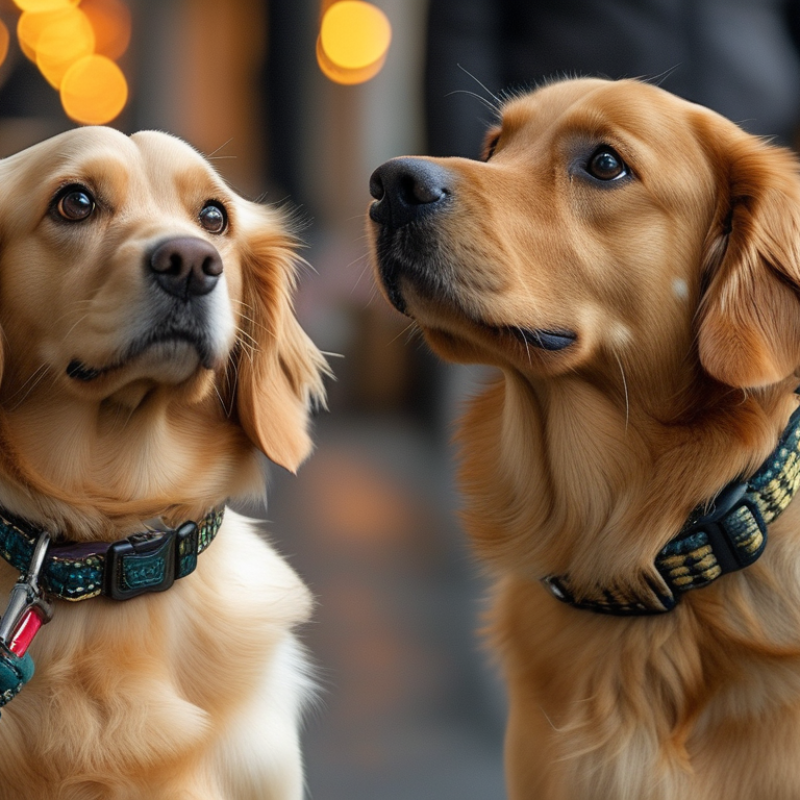
Best Tips for Choosing the Right Dog Leash for Your Pet?

Factors to Consider When Selecting a Dog Leash

Choosing the right dog leash is crucial for both you and your pet. One major factor to consider is the leash length. A shorter leash provides more control, making it ideal for busy areas. However, a longer leash allows your dog to explore. Think about your walking environment when deciding. Are you in a crowded city or a spacious park? Your surroundings will influence your choice.

Material is another key factor. Standard options include nylon and leather. Nylon is lightweight and easy to clean. Leather offers durability and a touch of elegance. However, leather requires maintenance. Reflect on how much upkeep you are willing to handle. You might want something that withstands the elements yet feels comfortable in your hand.

Don’t overlook the weight of the leash. Heavier leashes can be cumbersome for small dogs. If your pet is a strong puller, consider using a harness instead. Occasionally, it may feel like a balancing act between comfort and control. Trust your instincts. Pay attention to your dog's behavior on the leash. It can reveal a lot about what works best for your walks together.

Types of Dog Leashes and Their Benefits

Choosing the right dog leash is essential for both safety and comfort. There are several types of leashes available, each with its unique benefits. For everyday walks, a standard flat leash is commonly used. It provides stability and control. You can feel confident while guiding your pet through busy streets.

Retractable leashes offer more freedom for your dog. However, they can be tricky to manage. Sometimes, they make it harder to control your dog in unexpected situations. Many pet owners find these leashes convenient for open spaces, but caution is necessary.

Then, we have the training leashes. They are typically longer, promoting behavior training. These leashes help create distance but still retain control. They can be a bit overwhelming for both the owner and the dog initially. In this case, patience is key. Consider your lifestyle and your dog's needs when selecting the perfect leash. Each choice has its strengths and drawbacks; reflection is important for a better fit.

Materials Used in Dog Leash Construction

Choosing the right materials for a dog leash is crucial. Most leashes are made from nylon, leather, or rope. Each material has unique benefits. According to a study by the American Society for the Prevention of Cruelty to Animals (ASPCA), nylon is lightweight and resistant to moisture. It's a popular choice for everyday use. However, it may not hold up well against strong chewers.

Leather leashes offer durability and a classic look. They can withstand wear but require regular maintenance to prevent cracking. A survey from Pet Industry Market Research states that 30% of dog owners prefer leather for its aesthetic appeal. On the downside, leather may not be ideal for dogs that tend to pull, as it can stretch over time.

Rope leashes provide excellent strength and a comfortable grip. They are often used in training for strong breeds. However, some may not realize that lower-quality ropes can fray. The material's quality should always be examined closely. Each type of leash serves different needs, highlighting the importance of assessing your dog's behavior and habits. Understanding these details can make a significant difference in training and walking experiences.

Best Tips for Choosing the Right Dog Leash for Your Pet? - Materials Used in Dog Leash Construction

Material Type Durability Weight Comfort Price Range
Nylon Moderate Lightweight Medium $10 - $30
Leather High Heavyweight Very Comfortable $30 - $100
Cotton Moderate Lightweight Soft $5 - $20
Chain Very High Heavyweight Can be rough $25 - $50
Biothane High Lightweight Comfortable $20 - $60

Sizing and Length Options for Different Dog Breeds

When choosing a dog leash, understanding sizing and length options is crucial. Different dog breeds require different leash lengths for safety and comfort. For instance, small breeds like Chihuahuas may only need a leash length of 4 to 6 feet, which provides enough control without overwhelming them. In contrast, larger breeds, such as Golden Retrievers, thrive with longer leashes of 6 to 10 feet, giving them extra freedom to explore.

A recent study shows that approximately 70% of dog owners overlook the importance of leash length. This can lead to discomfort for both the pet and the owner. A too-short leash may restrict movement, while a too-long leash could cause the dog to wander into unsafe areas. Industry experts recommend evaluating your dog's size, temperament, and training level when selecting the right leash length. For example, a more energetic dog may benefit from a longer leash, allowing for better exercise during walks.

The material of the leash also matters. Heavy-duty leashes are suitable for strong dogs, while lighter options are ideal for smaller breeds. Understanding these factors ensures a safer and more enjoyable experience for everyone involved. Always reassess your leash choice as your dog's needs change.

Best Tips for Choosing the Right Dog Leash for Your Pet

This chart displays the recommended leash lengths for different dog breeds. Smaller dogs typically require shorter leashes, while larger breeds benefit from longer leashes to allow for more freedom of movement. Choose the right length to enhance your walking experience with your pet!

Safety Features to Look for in a Dog Leash

When selecting a dog leash, safety features must be a top priority. According to the American Society for the Prevention of Cruelty to Animals (ASPCA), nearly 50% of dog-related injuries happen due to equipment failures. Thus, reinforced stitching and durable materials are essential. Choose a leash that resists wear and tear, as well as one that can withstand the pull of your pet.

Reflecting on user experiences, many report that traditional leashes can be challenging. Snap hooks should be reliable and easy to use. Look for leashes with a locking mechanism to prevent accidental release. Additionally, padded handles can significantly enhance comfort during longer walking sessions, mitigating strain on your hands.

Being aware of visibility is also crucial for evening strolls. Leashes with reflective materials can increase safety, as they make both you and your pet more visible to cars. A report from the National Highway Traffic Safety Administration highlights that 20% of pedestrian accidents occur at night. This statistic underscores the importance of choosing a leash that supports visibility and overall safety.

FAQS

: What type of leash is best for daily walks?

: A standard flat leash is commonly used. It offers stability and control during walks.

Are retractable leashes a good choice?

They provide freedom for dogs but can be tricky to manage in busy areas. Caution is needed.

How long should a leash be for small dog breeds?

Small breeds may need a leash length of 4 to 6 feet for better control.

What leash length is recommended for larger dog breeds?

Larger breeds benefit from leashes of 6 to 10 feet to allow for more exploration.

How do leash materials impact safety?

Heavy-duty leashes work for strong dogs. Lighter materials suit smaller breeds better.

What safety features should I look for in a leash?

Look for reinforced stitching and durable materials to prevent equipment failure.

Why is visibility important when choosing a leash?

Reflective materials enhance visibility during night walks, which helps prevent accidents.

What comfort features should a leash have?

Padded handles can reduce strain during longer walks, improving comfort for handlers.

Can the wrong leash length cause issues?

Yes, a too-short leash restricts movement while a too-long leash may lead to unsafe situations.

How can I assess my dog's leash needs?

Consider your dog's size, temperament, and training level. Reflect on what works best for both of you.

Conclusion

Choosing the right dog leash is crucial for both your pet's safety and your convenience. When selecting a dog leash, consider various factors such as the size and breed of your dog, the types of leashes available, and the materials they are made from. Different dogs may require different leash types, ranging from standard leashes to retractable ones, each offering unique benefits.

Additionally, the sizing and length of the leash play a significant role in how effectively you can control your dog during walks. Look for safety features like reflective stitching and padded handles to enhance the overall experience for both you and your pet. Ultimately, a thoughtful selection can ensure enjoyable and safe outings, making the right dog leash an essential accessory for any dog owner.


Mason

Mason

Mason is a seasoned marketing professional with a deep expertise in the company's offerings and a passion for driving brand awareness. With a strong background in digital marketing strategies, he has an innate ability to connect with diverse audiences and effectively communicate product benefits.......