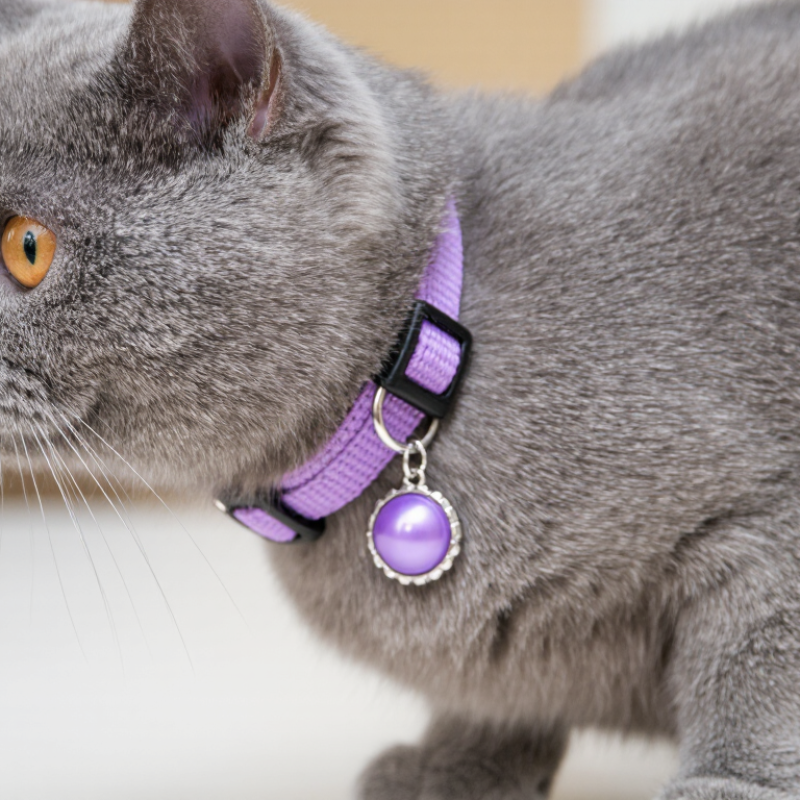
How to Choose the Best Cat Collar Charm?

Time:2026-10-25 Author:Madeline
0%

Choosing a Cat Collar Charm is not merely a styling decision. It affects comfort, visibility, and everyday safety. A tiny metal charm may look elegant, yet it can become noisy, heavy, or irritating during grooming.

The American Pet Products Association’s 2023–2024 National Pet Owners Survey reports that 46.5 million U.S. households owned cats. That large ownership base has increased demand for personalized accessories, including identification charms and decorative tags. However, popularity is not proof of quality. The best choice must match the cat’s size, behavior, and collar design.

Safety guidance deserves more attention. Cats Protection recommends a quick-release collar, correct fitting, and enough space for two fingers between the collar and neck. The RSPCA also emphasizes breakaway collars for reducing entanglement risks. These recommendations should guide charm selection, too. Choose a lightweight charm with smooth edges, secure attachment, and no loose parts. Keep it small. Watch the cat’s reaction.

A practical test is simple. Let the cat wear the collar indoors first. Check for scratching, tilted posture, redness, or repeated attempts to remove it. Some cats tolerate charms well. Others clearly do not. That difference matters more than appearance.

Industry forecasts can describe market growth, but they cannot predict an individual cat’s comfort. Therefore, this guide compares materials, weight, attachment methods, visibility, personalization, and maintenance. It also questions attractive features that may create unnecessary risks. The best Cat Collar Charm is not always the brightest or most expensive. It is the one the cat can safely and comfortably wear.

How to Choose the Best Cat Collar Charm?

Define a Cat Collar Charm’s Purpose: ID, Safety, Tracking, or Decoration

How to Choose the Best Cat Collar Charm?

Choose the job. A cat collar charm should solve one clear problem: identification, safety, tracking, or decoration. For identification, select a lightweight tag with your phone number and the cat’s name. Clear information matters more than decoration. The American Society for the Prevention of Cruelty to Animals reported that 74% of lost cats were eventually recovered in its national survey. An updated contact number can shorten that stressful search.

Safety needs different thinking. Choose a breakaway collar that releases under pressure, especially for outdoor cats. Avoid sharp edges, loose loops, and heavy attachments that can catch on branches or furniture. International Cat Care recommends checking collar fit regularly. Two fingers should fit between the collar and your cat’s neck. Still, fit is not perfect evidence of safety. Cats grow, gain weight, and sometimes escape collars.

Tracking charms may use Bluetooth or cellular signals, but coverage, battery life, and device weight can limit performance. A 2009 Journal of the American Veterinary Medical Association study found microchipped shelter cats were over 20 times more likely to return home than cats without chips. A tracking charm supports recovery; it does not replace a registered microchip or visible identification. Keep it light. Decorative charms are acceptable when they do not hide contact details or make noise that disturbs the cat. My own preference is simple: identification first, safety second, tracking when needed, decoration only when it adds no burden.

Prioritize Breakaway Collars and the RSPCA Two-Finger Fit Standard

How to Choose the Best Cat Collar Charm?

A collar charm should never compromise your cat’s safety. Choose a lightweight charm with smooth edges and a secure attachment. Avoid oversized pieces that swing under the chin or catch on furniture. A quiet charm is often kinder indoors. Cats can become stressed by constant noise, even when owners barely notice it.

Prioritize a breakaway collar. Its safety buckle should release when pulled, helping reduce strangulation risks during climbing or outdoor exploration. The RSPCA recommends a two-finger fit: slide two fingers between the collar and your cat’s neck. It should feel snug, not tight. Check the fit beneath the jaw, where collars can shift. Recheck it every few days, especially for kittens.

The American Pet Products Association’s 2023–2024 National Pet Owners Survey estimated 46.5 million U.S. households owned cats. That scale makes basic safety guidance especially important. However, population data does not prove that every charm is safe. Product testing still matters. Look for rounded surfaces, strong stitching, and a breakaway mechanism that works without excessive force. Attach the charm before supervised indoor testing. Watch for scratching, freezing, or repeated pawing. Remove it if those signs continue. I once underestimated how quickly a curious cat could snag a dangling accessory. That mistake changed my fitting routine. A collar can look perfect and still be poorly suited to one individual cat.

Compare Charm Materials, Weight, Edges, Noise, and Toxicity Risks

How to Choose the Best Cat Collar Charm?

A cat collar charm should be light, smooth, and made from clearly identified materials. Stainless steel can resist rust, while soft silicone may reduce clinking against food bowls. However, silicone quality varies, so check for material details and independent safety testing. Avoid charms with peeling paint, unknown coatings, or strong chemical smells. These signs do not prove toxicity, but they deserve caution.

Weight matters more than many owners expect. A charm that feels tiny in your hand may still bother a small cat. I once underestimated this issue, because my cat kept scratching after wearing a decorative charm. Choose a compact piece that does not pull the collar downward. Smooth, rounded edges are essential. Run a clean finger around the charm before attaching it. Any sharp corner can catch fur or irritate skin.

Noise can also change a cat’s behavior. A hollow charm may tap constantly against the collar, especially during climbing or eating. Some cats ignore the sound. Others hide, shake their heads, or groom excessively. Veterinary behavior guidance can help when these signs continue. Observe the cat for several hours, then inspect the neck for redness or rubbed fur. I would prefer documented materials over attractive claims, although documentation is not a perfect guarantee. Replace the charm if it becomes cracked, rusty, loose, or unusually noisy.

How to Choose the Best Cat Collar Charm? – Compare Charm Materials, Weight, Edges, Noise, and Toxicity Risks

The comparison below uses typical small charms measuring approximately 15–25 mm. Actual weight, sound, and safety depend on the charm’s design, finish, attachment hardware, and manufacturing quality.

Charm Material Typical Weight for a Small Charm Edge and Surface Safety Noise Potential Toxicity and Allergy Risk Durability and Maintenance Best Use Case Overall Safety Profile
Stainless Steel Approximately 2–6 g, depending on thickness and design. Usually smooth and rounded when properly polished. Avoid stamped charms with sharp corners, burrs, or unfinished cut edges. Low to moderate Generally low risk. Some stainless-steel alloys contain nickel, which may irritate cats with a metal sensitivity. Avoid unknown coatings that may flake. Strong, corrosion-resistant, and easy to clean. Usually suitable for everyday use. A durable everyday charm with a clean appearance. Very good
Aluminum Approximately 0.5–2 g, making it one of the lightest metal options. Soft metal can be formed with smooth edges, but thin stamped pieces may develop sharp bends or burrs. Anodized surfaces are preferable to poorly applied paint. Low to moderate Elemental aluminum is generally considered low concern in normal external contact. Risk increases if paint, plating, or unknown surface treatments chip or are licked. Lightweight but easier to scratch, bend, or dent than steel. Keep the surface intact. Small cats, kittens old enough to wear a collar, or cats sensitive to collar weight. Good when well-finished
Titanium Approximately 1–4 g for a small thin charm. Can be polished to a smooth, rounded finish. Check drilled holes and attachment points for roughness. Low Typically low allergy risk and widely used in biocompatible applications. The base metal may be safer than an unknown decorative coating. Strong, lightweight, and highly corrosion-resistant; usually more expensive than common charm metals. Owners seeking a lightweight, durable, low-allergen metal. Excellent
Sterling Silver Approximately 2–7 g for a small charm. Usually smooth when polished, but thin designs may bend and expose sharp edges. Tarnish itself is not usually dangerous, but rough oxidation or damaged plating should be avoided. Low to moderate Sterling silver contains mostly silver with a small amount of alloy metal, commonly copper. Avoid pieces with unknown solder, plating, or decorative paints that could contain unwanted metals. Attractive but relatively soft and prone to tarnishing. Clean with a pet-safe method and inspect regularly. Decorative use when the charm is smooth, solid, and well-finished. Good with quality control
Brass or Copper Approximately 3–8 g for a small charm. Can be smooth when polished, but tarnish, rough engraving, or sharp stamped edges may cause rubbing. Moderate Direct contact may cause skin irritation in sensitive animals. The main concern is poorly controlled alloys, solder, plating, or paint that may contain lead or other unwanted metals. Do not use products with unknown composition. Durable but tarnishes and may leave discoloration on fur or skin. Requires regular inspection. Occasional decorative wear only when the metal composition and finish are documented. Use caution
Acrylic or Hard Plastic Approximately 0.5–3 g, depending on thickness and hardware. Lightweight and capable of rounded edges, but cracks, chips, and sharp corners can develop after impact. Avoid brittle or damaged pieces. Low Risk is generally low when made from a reputable, pet-safe material. Paint, glitter, adhesives, and unknown additives can be licked or shed if the surface deteriorates. Light and colorful but may scratch, crack, or fade. Replace immediately if chipped or split. Quiet, lightweight identification or decorative charms. Good if intact
Silicone or Soft Rubber Approximately 1–4 g, excluding the attachment ring. Soft, flexible, and generally comfortable when free from thin tearing edges. Inspect for bite marks, splits, or loose fragments. Very low Usually low concern when made from a clearly specified, pet-safe formulation. Avoid products with a strong chemical odor, unknown softeners, peeling coatings, or loose pieces. Quiet and flexible but can collect dirt and may be chewed or torn. Wash and inspect frequently. Cats that dislike jingling sounds or hard objects. Very good if undamaged
Wood Approximately 1–5 g, depending on species and thickness. Must be finely sanded and sealed with a non-toxic, fully cured finish. Splinters, rough grain, and sharp drilled holes are unacceptable. Low Untreated wood may be relatively low concern, but stains, varnishes, glues, and sealants can introduce irritation or ingestion risks. Avoid unknown finishes. Can absorb moisture, swell, crack, or splinter. Keep dry and replace at the first sign of damage. Quiet, natural-looking charms used with careful inspection. Moderate
Enamel-Coated Metal Approximately 3–8 g, including the metal base and coating. Smooth when intact, but chips can create sharp edges. Inspect the rim, back, drilled hole, and attachment loop. Moderate The underlying metal and coating composition matter. Avoid pieces with chipped paint, exposed unknown metal, or decorative coatings that flake when scratched. Attractive and fairly durable, but impact can chip the finish. Remove if the coating begins to deteriorate. Decorative designs when the coating is documented and undamaged. Good with regular checks
Practical safety checklist: Choose a charm that is lightweight, smooth, securely attached, and free from loose parts. Avoid sharp edges, dangling pieces that can catch, strong chemical odors, peeling coatings, and unknown metal alloys. Check the charm and collar regularly, and remove it if your cat shows redness, hair loss, scratching, chewing, or discomfort. A breakaway collar remains important because a charm should not interfere with the collar’s release function.

Match Charm Size and Attachment Style to Your Cat’s Age and Activity

How to Choose the Best Cat Collar Charm?

A cat collar charm should match your cat’s age, body size, and daily habits. Kittens need the smallest, lightest charms available. Their necks grow quickly, so check the collar fit every week. A charm that swings heavily can bother a kitten or affect its balance. Choose smooth edges and avoid long hanging pieces that may catch on furniture.

Older cats often move more slowly, but they still need comfortable attachments. A flat slide-on charm creates less movement than a dangling ring. It may also suit cats with sensitive skin or stiff necks. For an indoor cat, a simple charm with clear identification space can be practical. Keep it quiet if your cat dislikes constant movement.

Active cats need a secure, low-profile attachment. A firmly closed split ring may resist ordinary play, while a lightweight clip can be easier to remove during checks. The collar itself should open under strong pressure, and the charm must not interfere with that feature. I once chose a charm that looked attractive but was too large for a small cat. It caused more noise than expected. That experience changed how I judge charm size. I now watch the cat walk, jump, and groom for several minutes. Inspect the attachment regularly for bent metal, loose seams, or trapped fur. Small changes matter.

Verify Visibility, Engraving Space, and Microchip Support Before Buying

How to Choose the Best Cat Collar Charm?

A collar charm should remain visible in dim light, not merely look attractive. Choose a wide, high-contrast surface with reflective edges. Hold it near a window, then check it under hallway lighting. A tiny silver plate can disappear against gray fur. The charm should also hang flat, without sharp corners or noisy parts that irritate the neck.

Engraving space deserves careful attention. Include the cat’s name and one reliable contact number. Avoid squeezing several lines into unreadable text. A practical check is simple: photograph the charm from arm’s length, then zoom in. If the number becomes unclear, the engraving is too small. My first choice was once a decorative charm with poor lettering. It looked good online, but failed this basic test.

Microchip support adds a stronger recovery layer. A 2009 Journal of the American Veterinary Medical Association study reported home returns for 38.5% of microchipped cats, compared with 1.8% of cats without microchips. The collar charm cannot replace registration or updated contact details. The American Animal Hospital Association and American Association of Feline Practitioners also support permanent identification for cats. Check whether the charm has a space for a microchip notice or registration reminder. It is not a GPS tracker. That distinction matters. Use a breakaway collar, confirm a two-finger fit, and inspect the clasp after outdoor play. I still recheck the engraving every few months, because scratches can make good information useless.

FAQS

What safety feature should a cat collar charm have?

Choose a breakaway collar that releases under strong pulling. This can reduce strangulation risks during climbing or outdoor movement. Test the clasp indoors first.

How tightly should the collar fit?

Leave space for two fingers between the collar and your cat’s neck. It should feel secure, never tight. Check beneath the jaw. Recheck kittens every few days.

What charm weight is suitable for a cat?

Choose a compact, lightweight charm that does not pull the collar downward. A tiny charm may still annoy a small cat. Weight matters.

Which charm materials and surfaces are safer?

Prefer clearly identified materials, rounded edges, and smooth surfaces. Avoid peeling paint, unknown coatings, sharp corners, or strong chemical smells. These signs deserve caution.

How can owners reduce charm noise?

Choose a quiet charm that will not tap against bowls or furniture. Watch for hiding, head shaking, or excessive grooming. Remove it if these behaviors continue.

What visibility features should a collar charm include?

Select a wide, high-contrast surface with reflective edges. Check it near a window and under hallway lighting. Tiny lettering can disappear against gray fur.

What information belongs on an engraved charm?

Use the cat’s name and one reliable contact number. Photograph the charm from arm’s length, then zoom in. If the number looks unclear, enlarge it.

Can a collar charm replace a microchip?

No. A charm supports identification, but it cannot replace a registered microchip. Keep contact details updated. It is not a location tracker.

How should owners test a new charm?

Attach it before supervised indoor testing. Watch for scratching, freezing, or repeated pawing. Inspect the neck for redness and rubbed fur. I once missed this.

When should a charm be replaced?

Replace it when cracked, rusty, loose, unusually noisy, or difficult to read. Inspect the clasp after outdoor play. I still forget sometimes, unfortunately.

Conclusion

Choosing the best Cat Collar Charm starts with understanding its purpose. Decide whether you need it for identification, added safety, tracking support, or simple decoration. Safety should come first, so choose a breakaway collar and check that two fingers can fit comfortably between the collar and your cat’s neck. This helps reduce the risk of discomfort or restriction while keeping the collar secure during normal activity.

When comparing charms, consider lightweight, non-toxic materials with smooth edges that will not irritate your cat or create excessive noise. The charm’s size and attachment method should suit your cat’s age, body size, and activity level; active cats may need a smaller, quieter design. Before buying, confirm that the charm is easy to see, has enough space for readable engraving, and can work alongside your cat’s microchip rather than replacing it. A thoughtful choice should balance comfort, visibility, durability, and everyday safety.

Madeline

Madeline

Madeline is a dedicated marketing professional with a wealth of expertise in our company's core offerings. With a keen understanding of the industry, she brings a unique perspective to her role, consistently delivering high-quality content that highlights the superior aspects of our products. As......