How to Choose the Best Dog Collars for Your Pet in 2026

Time:2026-08-03 Author:Liam
0%

In the ever-evolving world of pet care, choosing the right Dog Collars is crucial for both functionality and style. Expert veterinarian Dr. Sarah Johnson states, “A good collar is not just about looks; it is essential for your dog’s safety and comfort.” As pet owners, we need to understand the variety of options available. Each collar is designed with specific needs in mind.

The Dog Collars industry has seen significant innovations in recent years. From eco-friendly materials to smart collars with GPS tracking, the choices can be overwhelming. Some collars might look appealing but fail to provide proper safety features. It’s important to reflect on the traits that suit your specific dog.

Moreover, while trends can be enticing, the fundamental purpose of Dog Collars remains the same. They should fit comfortably and meet safety standards. However, many collars may cause discomfort if not chosen carefully. Consider your dog’s breed, size, and activity level when selecting a collar. Making informed choices demonstrates our commitment to our pets' well-being.
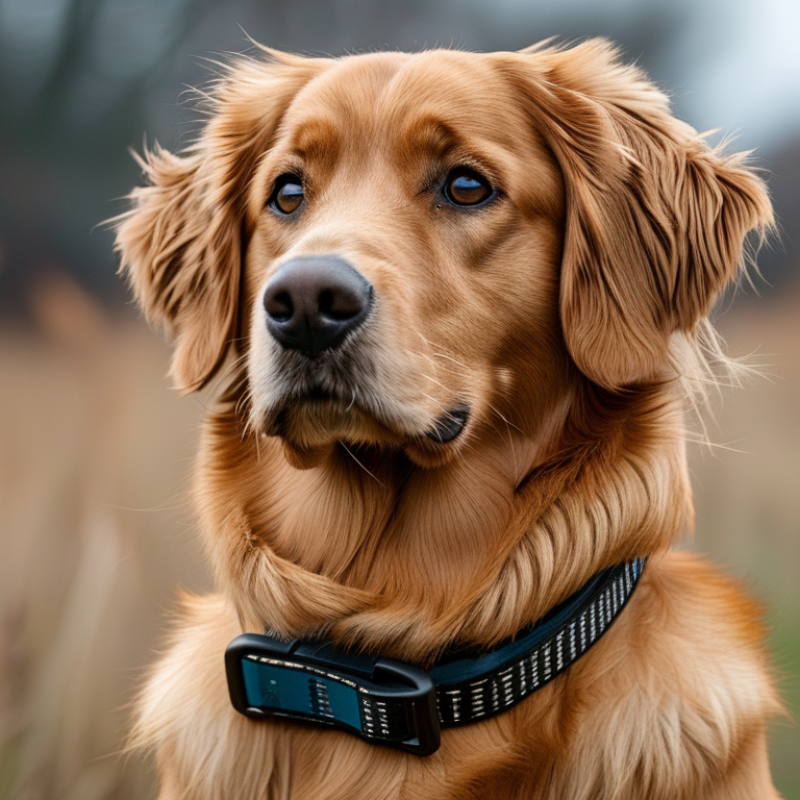
How to Choose the Best Dog Collars for Your Pet in 2026

Understanding Your Dog's Size and Breed for Collar Selection

When selecting a collar for your dog, understanding their size and breed is essential. Various studies reveal that a well-fitting collar not only ensures comfort but also enhances safety. For instance, oversized collars can slip off easily, while those too tight may cause injury. According to a survey by the American Kennel Club, nearly 25% of dog owners use collars that do not fit their dogs properly. This statistic highlights a common oversight that often leads to discomfort.

Different breeds may require different collar styles. For example, neck sizes vary significantly between a Chihuahua and a Great Dane. A small breed may benefit from lightweight materials, while larger breeds might need more durability. Recent industry reports indicate that 60% of dog owners aren't aware of recommended collar types for their specific breeds. This lack of knowledge can lead to inappropriate choices and harm the dog’s neck.

Visualizing the collar's function is important. A collar must be snug enough to prevent slipping but loose enough for one or two fingers to fit underneath comfortably. However, ensuring all these aspects can be challenging. Many owners still face dilemmas, like choosing between a flat collar and a harness. Learning about your dog's unique needs is a significant step. Quality literature and expert advice are invaluable resources for this journey.

Materials and Durability: Choosing the Right Fabric for Your Dog Collar

When selecting the right fabric for your dog's collar, consider both materials and durability. Fabrics like nylon or polyester are popular choices. They resist wear and tear, making them ideal for active dogs. Some collars feature reflective materials that enhance visibility during night walks. Look for stitched seams for added strength, especially if your dog tends to pull while on leash.

Natural fabrics such as cotton can be soft and comfortable but may not hold up well over time. These collars can fray or fade quickly. If your dog enjoys swimming or playing in mud, opt for synthetic fibers. They dry easily and are less prone to mildew. However, synthetic materials might sometimes irritate sensitive skin.

Assess your dog's activity level when choosing the collar. A rambunctious dog may benefit from a padded collar, providing extra comfort and support. Regularly check the collar for signs of wear. Loose threads or fraying edges can compromise safety. It's important to be mindful and proactive in ensuring the collar remains in good condition. Making thoughtful choices now can prevent issues down the line.

Collar Types: Exploring Different Styles for Various Needs

Choosing the right dog collar involves understanding various styles suited for specific needs. Collars come in different types like flat collars, harnesses, choke collars, and martingale collars. According to a recent study by the American Kennel Club, over 65% of dog owners prefer flat collars for everyday use. These collars are practical and versatile for most breeds.

Safety is a priority. Harnesses are often recommended for dogs that pull on walks. They distribute pressure more evenly and reduce strain on the neck. Research indicates that 55% of dog owners notice improved leash manners with harnesses. If your pet tends to escape, consider a martingale collar. Its design prevents slipping while providing comfort.

**Tip**: Regularly check the fit of your dog’s collar. It should be snug but not too tight. You should be able to fit two fingers between the collar and your dog’s neck. This can help avoid potential injuries. Remember, the collar's style should reflect your pet's personality too. Look for options that resonate with their character. It can be a fun aspect of selecting a collar.

How to Choose the Best Dog Collars for Your Pet in 2026

Collar Type Material Best For Adjustability Price Range
Flat Collar Nylon / Leather Everyday Use Yes $10 - $50
Martingale Collar Nylon / Cotton Training / Control Limited $15 - $45
Choke Collar Chain / Nylon Strong Pullers Not Adjustable $5 - $25
Buckle Collar Plastic / Metal Casual / Daily Wear Yes $10 - $40
Harness Nylon / Mesh Small Dogs / Walking Yes $20 - $70

Measuring Your Dog Properly for the Perfect Fit

Measuring your dog properly is essential for finding the right collar fit. A collar that is too tight can restrain movement, while one that is too loose may slip off. Use a soft measuring tape for accuracy. Start by measuring around the base of your dog's neck. Add an extra inch to the measurement for comfort.

Consider your dog's breed and size when selecting a style. Some dogs may have thicker fur, requiring adjustments in measurement. Remember to check the collar frequently. Dogs grow or gain weight, leading to sizing changes. A quick monthly check can prevent discomfort.

Lastly, involve your pet in the process. Observe their response to different collar types. Some dogs may react negatively to certain fabrics or designs. If your dog seems uneasy, reflect on your choices. Finding the right collar takes patience and care, but it's worth it for your pet's comfort and safety.

Safety Features and Adjustability to Consider in Dog Collars

When selecting a dog collar in 2026, safety features and adjustability are paramount. A well-fitting collar can prevent injuries and accidents. According to a recent study by the American Kennel Club, improper collar size can lead to discomfort or even injury in about 20% of dogs. Measured correctly, collars should allow two fingers to fit comfortably between the collar and the dog’s neck. Accuracy in measurement is critical, yet many dog owners overlook this detail.

Adjustability is another crucial factor. Collars that provide multiple adjustment points enable a custom fit as dogs grow or change in weight. Research indicates that more than 30% of dog owners choose collars without sufficient adjustability, leading to potential choking hazards or slips. A collar that can grow with your pet offers convenience and ensures security. The ideal collar should be made from durable materials that withstand daily wear and tear while being easy to clean.

Moreover, reflective materials offer significant safety benefits. You can increase visibility during evening walks, reducing the risk of accidents. Surveys reveal that dog owners who prioritize reflective collars report a 27% lower incidence of night-related incidents. Ultimately, ensuring your dog's collar is safe and adjustable is vital for their comfort and protection.

FAQS

: Why is it important to understand my dog's size and breed for collar selection?

: Different breeds have varying neck sizes and shapes, affecting collar fit and comfort.

What issues can arise from using an ill-fitting collar?

Oversized collars can slip off, while tight ones may cause injury or discomfort.

How common is it for dog owners to use the wrong collar size?

Nearly 25% of dog owners do not fit collars properly, leading to potential discomfort.

What should I consider when measuring my dog for a collar?

Use a soft tape, measure around the base of the neck, and add an inch for comfort.

How often should I check my dog's collar fit?

Check monthly as dogs can grow or gain weight, affecting collar size.

What should I do if my dog reacts negatively to a collar?

Reflect on your choices, observe their response, and consider different styles or materials.

Can collar materials impact my dog's experience?

Yes, certain fabrics may irritate or feel uncomfortable for your dog.

How can I ensure the collar is snug but comfortable?

The collar should allow one or two fingers to fit underneath while preventing slipping.

Do different collar styles serve specific breeds better?

Yes, specific styles may suit different breeds’ needs. Understanding this can aid in selection.

Is patience necessary when choosing a collar for my dog?

Yes, finding the right fit takes time and care to ensure your pet's comfort and safety.

Conclusion

Choosing the best dog collars for your pet in 2026 involves several important considerations. Firstly, understanding your dog's size and breed is crucial, as different breeds may require specific collar sizes and styles for comfort and effectiveness. Material and durability are equally vital; selecting the right fabric ensures that the collar can withstand wear and tear while maintaining comfort for your furry friend.

Additionally, exploring various collar types is essential to meet different needs, whether it's for training, safety, or everyday wear. Proper measurement of your dog is key to achieving the perfect fit, which enhances both the comfort and functionality of the collar. Lastly, it’s important to consider safety features and adjustability in dog collars to ensure they remain secure while allowing for growth and activity. By keeping these factors in mind, you can make an informed choice that prioritizes your pet's health and happiness.


Liam

Liam

Liam is a dedicated marketing professional with a profound expertise in the industry, where he excels at highlighting the unique advantages of our core products. With a keen understanding of market trends and consumer needs, Liam frequently updates our company’s professional blog, providing......