Choosing the right pet leashes for your dog is crucial. Pet leashes play a critical role in safety and comfort during walks. According to the American Pet Products Association (APPA), over 60% of dog owners use leashes daily. This proves the widespread importance of selecting the best type for your furry friend.
Industry expert Dr. Kate McHugh states, “A well-chosen leash can enhance the bond between owner and pet.” This bond is vital for effective training and behavior management. Yet, many owners overlook the nuances of leash types. Each type has its strengths and weaknesses. For instance, while retractable leashes offer freedom, they can lead to a lack of control in busy areas. Furthermore, standard leashes may restrict movement but ensure safety in crowded environments. Understanding these dynamics is essential.
As you consider the best pet leashes, keep in mind the individual needs of your dog. Factors like size, breed, and temperament influence what works best. The plethora of options can be overwhelming, underlining the need for careful thought. Reflect on what truly benefits your dog's safety and comfort. This careful consideration is what separates a good dog owner from a great one.
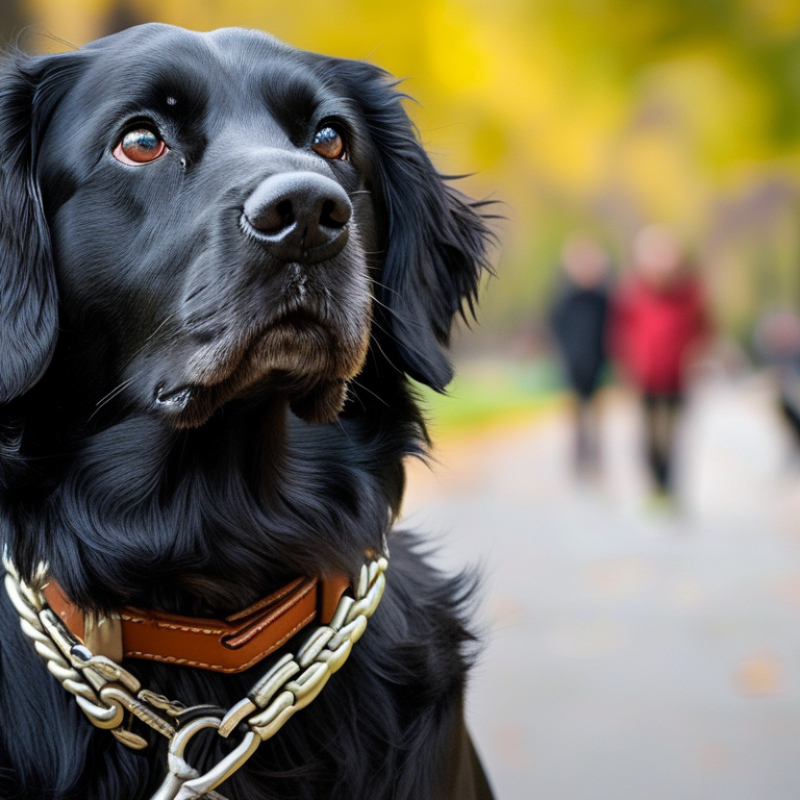
When selecting a pet leash, it’s essential to understand the different types available. Various styles cater to specific needs, offering advantages and potential drawbacks. Standard leashes are straightforward and versatile. They allow for excellent control and are suitable for everyday walks. However, they can sometimes feel restrictive for active dogs.
Retractable leashes provide freedom for your dog to roam. They enable distance control and are great for open spaces. Yet, they require vigilance. Dogs might dart into traffic or encounter aggressive animals. Additionally, the mechanism can malfunction, presenting safety concerns.
Training leashes serve a different purpose. Longer than standard options, they help with recall training. They foster independence while ensuring safety. Nonetheless, they can be cumbersome, especially in crowded areas. Understanding your dog's behavior and needs will guide your choice. Evaluating features against your surroundings is crucial for a safe and enjoyable walking experience.
Retractable leashes are popular among dog owners for several reasons. They allow dogs to explore their surroundings while keeping them safe and controlled. With a retractable leash, your dog can roam up to 30 feet. This freedom lets them enjoy nature and play while still being on a leash. However, it's essential to monitor your dog closely. Distractions can lead to sudden movements, and the leash might tangle if not handled properly.
One significant benefit is the adjustable distance. This feature allows you to retract the leash when necessary, especially in crowded areas or near other dogs. It gives you authority over your dog's behavior while letting them enjoy some freedom. Another point to consider is the comfort of your hand. Many retractable leashes come with ergonomic grips, making long walks less tiring.
Yet, there are drawbacks. Some dogs may pull harder on these leashes, leading to potential injuries if not managed well. Also, the mechanism can get jammed after prolonged use. It's crucial to be aware of these issues. Regular maintenance can help ensure safe leash operation. Responsible use and constant awareness will enhance the experience for you and your dog.
Standard leashes offer numerous advantages for dog owners. They provide control and security, ensuring your pet stays close. This is crucial in crowded areas or near traffic. The basic design of standard leashes allows for quick adjustments, catering to different dog sizes and temperaments.
A standard leash typically measures six feet long. This length provides a balance between freedom and control. Dogs can explore their surroundings without straying too far, which helps in training. General materials used often include nylon or leather, both durable choices.
However, not all dogs respond well to standard leashes. Some might pull excessively, causing strain on the owner's hand. Regular training is essential to overcome this challenge. Also, the lack of elastic capacity can be harsh for energetic dogs. Exploring alternatives can enhance the walking experience for both pet and owner. Engaging in leash exercises can help address these concerns, improving the relationship between you and your dog.
Choosing the right material for your dog's leash is essential for both safety and comfort. Leashes come in various materials, each with unique benefits. Nylon is popular for its durability and lightweight nature. It’s easy to clean and comes in various colors. However, it may feel rough on your dog’s skin if not padded. Consider your dog’s breed and coat type when making a choice.
Leather leashes offer a classic look and resilience. They provide excellent comfort but can require frequent care to maintain their quality. Wet weather can damage them if not treated properly. If you live in a rainy area, explore alternatives.
Biothane, a synthetic material, is waterproof and easy to maintain, making it an excellent choice for active dogs. Reflect on how your daily walks impact the leash choice. A leash that works for one dog may not suit another. Pay attention to how your dog responds to the leash material. You may need to try multiple options before finding the best fit. Consider your lifestyle and your dog’s personality when selecting the right leash.
When selecting a leash for your dog, specialty options can significantly enhance your walking experience. Harnesses are an excellent choice for many breeds, especially those prone to pulling. They distribute pressure evenly across the dog’s body, which can prevent neck injuries. A well-fitting harness allows for better control without causing discomfort. However, not every harness works for every dog. It’s essential to measure your pet correctly and test different styles.
Training leashes provide additional support during the training phase. These leashes often come with features like clips for quick adjustments and varying lengths. A training leash can help establish boundaries and improve behavior on walks. However, they require practice. Inexperienced handlers may struggle to maintain control, leading to mishaps. The goal is to find the right balance between freedom and guidance for your dog. Don’t hesitate to consult a professional trainer for advice. Each dog is different, and individual needs vary, which makes finding the perfect leash a reflective process.
: The main types include standard leashes, retractable leashes, and training leashes. Each serves a specific need.
A standard leash is versatile and offers excellent control for everyday walks. It may feel restrictive for active dogs though.
Retractable leashes allow dogs to explore up to 30 feet, giving them freedom while keeping them safe.
Risks include potential tangling, sudden movements into traffic, or encounters with aggressive animals.
Training leashes are longer and help with recall training. They promote independence but can be cumbersome in crowds.
Regular maintenance is vital. Keep the mechanism clean and check for jams to ensure proper operation.
Close monitoring prevents dogs from getting distracted, which may lead to sudden movements or dangerous situations.
Evaluate your dog's behavior, the leash features, and your walking environment before deciding on a leash type.
Yes, if a dog pulls too hard, injuries can occur. Managing this behavior is essential for safety and comfort.
Be aware of your surroundings and use the leash features responsibly. This awareness benefits both you and your dog.
When it comes to selecting the best types of pet leashes for your dog, understanding the various options available is crucial. The article outlines an overview of pet leashes, highlighting the benefits of retractable leashes that offer flexibility during walks. Standard leashes are also discussed, emphasizing their advantages for day-to-day activities and control.
Choosing the right material for your dog's leash is essential for both comfort and durability, offering practical options that suit different breeds and sizes. Additionally, the article delves into specialty leashes, such as harnesses and training leashes, which can provide unique benefits for specific training needs or behavior management. Ultimately, selecting the appropriate pet leash involves considering your dog's individual needs and walking style.