Choosing gear for a pet looks simple until the first walk. A harness must stay secure without rubbing behind the front legs. A backpack must carry essentials without shifting or crowding the animal. The best choice depends on your pet’s size, body shape, temperament, and planned activity. One style cannot suit every dog or cat.
Veterinarian Dr. Jennifer Coates, DVM, offers a useful principle for this decision: “A comfortable, secure fit matters more than appearance.” Treat that as practical guidance, not a substitute for checking the fit yourself. Slide two fingers beneath the straps, inspect the chest and shoulders, and watch your pet walk and turn. For backpacks, start with a light load and short outings. Some pets need time. Others may never enjoy wearing one, and that is worth accepting.
This guide compares common Pet Harnesses & Backpacks, including step-in harnesses, vest styles, and carrier packs. It will look at adjustability, materials, weight limits, visibility, and ease of cleaning. You will also find tips for introducing new gear gradually. A bright color may look appealing in a product photo, but fit and comfort matter more. I would not assume a higher price guarantees a better match. Measure carefully, check the manufacturer’s sizing chart, and reassess after a few minutes of movement. The right gear should support the outing, not become the main event.
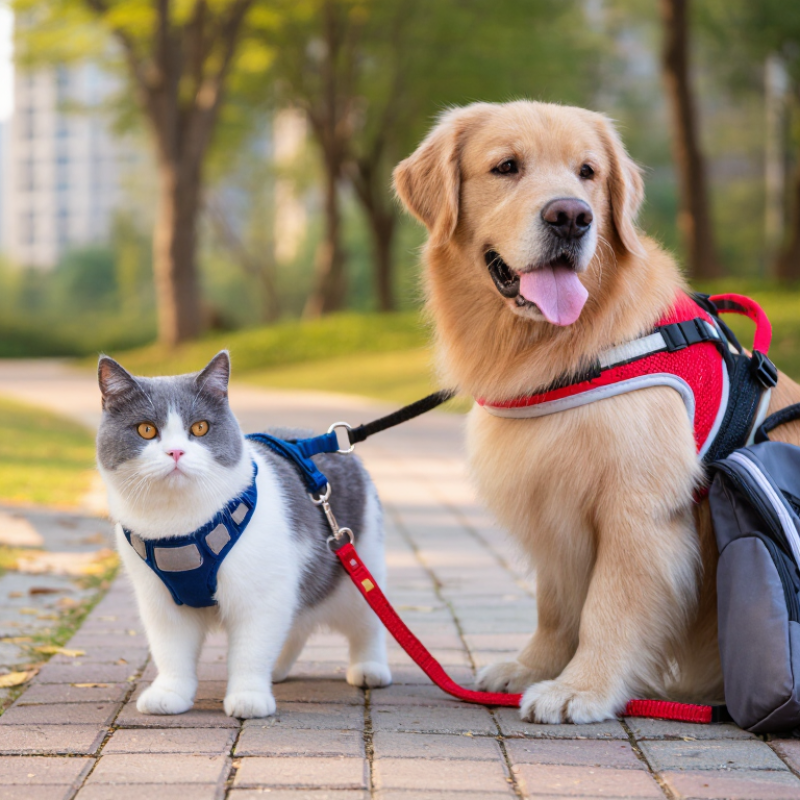
What Are Pet Harnesses and Backpack Carriers?
A pet harness is a wearable strap system that fits around a pet’s chest and torso. A leash clips to a designated attachment point, helping guide the animal without pulling directly on its neck. A good fit is snug but not restrictive: you should be able to slide two fingers beneath the straps. Check for rubbing near the front legs, loose buckles, and limited shoulder movement. Fit matters. A harness is not a substitute for supervision, and some pets need time to accept one.
Tips: Let your pet sniff the harness first. Put it on for a few minutes indoors, then reward calm behavior. Check the fit again after adjusting it; straps can shift as your pet moves. If breathing or walking looks strained, remove it and reassess.
A backpack carrier is a supported bag or pack with an enclosed space for carrying a pet. It may have mesh panels for airflow, a firm base, and an opening that lets the animal look outside. Unlike a harness, it carries the pet’s weight rather than attaching to a leash. Choose a carrier with enough room to sit or turn comfortably, while keeping your pet secure. Weight limits matter, but so do temperature, ventilation, and your pet’s health. A carrier can make travel easier, but it will not suit every animal; some remain uneasy, even after gentle practice.
What Types of Pet Harnesses and Backpacks Are Available?
Pet harnesses come in several designs, and each suits a different walking style. A back-clip harness attaches the leash between the shoulders and often feels simple for calm walkers. A front-clip model connects at the chest, which can help guide a dog that pulls, though it does not replace training. Dual-clip harnesses offer both attachment points. Step-in and vest-style harnesses spread pressure across the chest; they may feel more secure for small pets. Fit matters most. Check that straps do not rub behind the front legs, and leave room for two fingers beneath them.
Pet backpacks also vary.
Saddlebag packs sit over a dog’s back and hold light items, such as waste bags or a small water bottle. Choose one with balanced pockets so it does not swing to one side. Carrier backpacks enclose a smaller pet, with mesh panels for airflow and openings for visibility. Some are worn on the back, while others sit against the front of the body. A carrier should support the pet’s body without forcing it into a cramped posture.
The right type depends on the pet’s size, comfort, and activity. Start with short, supervised walks and check for rubbing or heavy panting. Keep loads very light at first. A backpack can look roomy in a shop, yet feel awkward after ten minutes outside. I have found that even a well-fitted design may not suit every pet; comfort can change with movement.
How Do Harness and Backpack Designs Differ?
A harness and a pet backpack serve different jobs, so their shapes reflect different needs. A harness spreads leash pressure across the chest and shoulders. Its straps should sit flat, with room for two fingers beneath them. A secure fit matters most. If the straps twist or rub behind the front legs, even a sturdy design can become uncomfortable.
A backpack adds a compartment, which changes how weight rests on the animal’s body. Look for a stable base, smooth seams, and ventilation panels that leave the face unobstructed. The opening should allow easy entry without forcing a pet into a cramped posture. Not always. A spacious-looking pack may still swing from side to side when its contents shift. Keep the load light, check the fit while the pet is standing and walking, and watch for panting, slowing, or repeated attempts to escape. Those signs suggest the design or fit needs reconsideration. Some pets tolerate a harness but dislike enclosed gear; patience helps, but it does not guarantee acceptance.
What Factors Help You Choose the Right Option?
What Is the Best Type of Pet Harness and Backpack?
What Factors Help You Choose the Right Option?
The best choice depends on your pet’s body, behavior, and daily activities. A small dog may need a lightweight harness with soft, adjustable straps. A strong puller needs secure chest support, not pressure around the throat. Measure the neck, chest, and back carefully. Do not trust appearance alone. A correct fit should feel snug without restricting breathing or movement. You should slide two fingers beneath each strap.
I once chose a harness because it looked comfortable, but it rubbed behind my dog’s front legs. That mistake taught me to check the skin after every walk. Look for redness, damp fur, or unusual scratching. A backpack should have wide, padded straps, stable weight distribution, and good airflow. It should never swing heavily from side to side. Keep the load light, especially for older pets or animals with joint problems. Ask a qualified veterinarian before adding weight to a pet’s routine.
Test any option indoors first. Watch your pet walk, sit, turn, and lie down. Some animals accept a harness quickly but dislike enclosed backpacks. Others become calmer with the firm support. I still sometimes adjust straps twice before leaving home. Weather also matters; thick padding can become hot on sunny days. Reflective details help in low light, while washable materials make muddy walks less stressful. Stop immediately if your pet shows breathing trouble, weakness, panic, or persistent discomfort.
Choosing the Best Pet Harness or Backpack
A practical decision model can help compare the factors that matter most. The percentages below are planning weights, not brand or market-survey data.
How to use this chart: Prioritize a secure, comfortable fit first. A harness should allow about two fingers of space under the straps without restricting movement. A backpack should let the pet sit, stand, turn around, and lie down, with adequate ventilation and a load limit suitable for the pet.
How Should a Pet Harness or Backpack Fit and Be Used Safely?
A safe pet harness or backpack begins with fit, not appearance. The APPA 2023–2024 National Pet Owners Survey reported that 66% of U.S. households own a pet. More animals now travel outdoors, yet many owners still choose equipment by size labels alone. A Y-shaped harness usually allows freer shoulder movement than a strap crossing the throat. It should sit behind the front legs, with two fingers fitting beneath each strap. The harness must not twist when the pet walks.
Check the fit in motion. Your pet should breathe normally, step evenly, and turn its head without rubbing. Watch for red skin under the chest or behind the elbows. A loose harness can allow escape; a tight one can restrict breathing. I would not trust a single fitting test. Pets gain weight, grow fur, and change posture. Recheck every few weeks.
A backpack needs a firm base, strong ventilation, and secure internal attachment. The animal should sit, stand, and turn around without pressing against the walls. Never cover ventilation panels, even briefly. PDSA’s Animal Wellbeing Report 2024 estimated that 53% of UK adults own a pet, highlighting how many animals may face routine travel. Start with five quiet minutes at home. Then try a short walk. Stop if your pet pants heavily, freezes, drools, or repeatedly scratches the carrier. The ten-percent body-weight guideline is only a cautious checkpoint, not a universal medical rule. A veterinarian should assess older, anxious, or breathing-compromised pets.
What Is the Best Type of Pet Harness and Backpack? - How Should a Pet Harness or Backpack Fit and Be Used Safely?
The best option depends on your pet’s body shape, comfort, activity, and training. A well-fitted harness should stay secure without restricting breathing or movement. A pet-carrying backpack should support the animal safely and provide adequate ventilation.
Harness and backpack options: selection, fit, and safe use
| Type |
Often suitable for |
Fit and adjustment |
Safe-use checks |
| Y-front or H-style harness |
Everyday walks for many dogs; the best choice depends on the individual dog’s build and movement. |
Position the chest strap so it does not press on the throat. Adjust straps evenly and check that the harness stays in place when the pet moves. |
Check for rubbing behind the front legs and restricted shoulder movement. A leash attachment point does not prevent pulling by itself. |
| Vest-style harness |
Pets that prefer broader, softer contact or need a harness that is easy to put on. |
Choose a size that lies flat against the body without compressing the chest or armpits. Fasten all closures before attaching a leash. |
Make sure the fabric does not bunch, become hot, or limit comfortable movement. Check skin after use, especially under the edges. |
| Step-in harness |
Pets that tolerate having their legs guided through openings better than having a harness pulled over the head. |
Confirm that each leg is in the correct opening and that the connecting straps sit in their intended positions. |
Inspect buckles and straps before each outing. Do not use if the pet can back out of the harness or if it shifts substantially. |
| Front-clip or dual-clip harness |
Leash training when a handler wants an attachment point at the chest; some designs also provide a back attachment. |
Fit it as directed for that design, keeping the chest area clear of the throat and allowing natural movement. |
Use gentle, steady leash handling. Stop if the harness twists, causes discomfort, or changes the pet’s gait. |
| Pet-carrying backpack |
Small pets that are comfortable being carried and can sit or lie in the carrier without being cramped. |
Choose a carrier with enough room for a natural position and secure support. The pet should not be forced into a curled or compressed posture. |
Use secure closures and leash attachments intended for the carrier. Keep ventilation unobstructed, monitor temperature and stress, and follow the maker’s stated weight limit. |
| Pack worn by the pet |
Conditioned dogs carrying light items on suitable walks, if their health and activity level allow it. |
Keep the pack balanced from side to side and fitted so it does not slide or rub. Introduce it gradually, first without a load. |
Use only with a healthy, fully grown dog after gradual conditioning. Keep loads light, take breaks, and stop for fatigue, limping, or discomfort. Ask a veterinarian before use if health is a concern. |
Practical fit check: Follow the product’s sizing instructions and check the fit while your pet is standing and moving. As a general check, you should be able to slide about two fingers beneath harness straps without forcing them; this is not a substitute for checking that the harness stays secure and does not rub or restrict breathing. Measure your pet rather than relying on breed or weight alone. Introduce new gear gradually with treats and short, supervised sessions. Remove it if you notice chafing, distress, overheating, coughing, or restricted movement.
FAQS
A harness wraps around the chest and torso. It connects to a leash without pulling directly on the neck. A snug fit matters. Leave space for two fingers beneath each strap.
Watch your pet walk, sit, turn, and lie down. Check behind the front legs for rubbing or redness. Loose buckles can shift during movement. Remove it if breathing or walking seems strained.
A front-clip harness may help guide a pulling dog. It does not replace calm, consistent training. Dual-clip designs offer more control options. Comfort still matters more than appearance.
Let your pet sniff it indoors. Wear it for a few minutes. Reward calm behavior. Some pets adjust quickly; others need several gentle attempts.
A backpack carrier is a supported bag with an enclosed space. It carries the pet’s weight instead of attaching to a leash. Mesh panels improve airflow. A firm base can help the pet feel stable.
Your pet should sit and turn without a cramped posture. The carrier should support the body without forcing awkward movement. Check weight limits carefully. A roomy carrier can still feel uncomfortable after ten minutes.
Check ventilation, temperature, body support, and weight distribution. Wide, padded straps can improve comfort for the person carrying it. Keep early loads very light. A small water bottle should not make the pack swing sideways.
Watch for heavy panting, weakness, panic, scratching, or persistent discomfort. Red skin and damp fur may signal rubbing or overheating. Stop and reassess immediately. I once trusted appearance too much, and the fit was wrong.
Conclusion
Pet Harnesses & Backpacks provide practical ways to control, carry, and protect pets during walks, travel, and outdoor activities. A harness distributes pressure across the chest and body instead of placing it on the neck, while a backpack carrier offers a secure enclosed space for smaller pets. Available options include step-in, vest-style, no-pull, adjustable, soft-sided, structured, and ventilated designs, each suited to different pet sizes, temperaments, and activity levels.
The best choice depends on your pet’s body shape, weight, comfort, mobility, and intended use. Look for durable materials, secure closures, breathable panels, supportive padding, and adjustable straps. A proper fit should be snug without restricting breathing, movement, or circulation; you should be able to slide two fingers beneath the straps. Introduce the equipment gradually, inspect it regularly for wear, and supervise your pet whenever the harness or backpack is in use.

 Bestone