Pet collars are essential accessories for pet owners. They serve various functions, from identification to fashion statements. According to the American Pet Products Association, nearly 70% of U.S. households own a pet. This statistic highlights the growing demand for quality pet products. As pet ownership rises, so does the need for reliable and stylish pet collars.
A good pet collar should combine comfort, safety, and style. The right collar can prevent accidents and ensure your pet is easily identifiable. Particularly, reflective collars improve visibility during nighttime walks. Yet, not every collar suits every pet. Breed size, activity level, and temperament all play crucial roles in selection.
When choosing pet collars, it's vital to consider both functionality and aesthetics. Oversized or improperly fitting collars can cause discomfort or injury. Owners may often overlook the importance of materials and proper sizing. This attention to detail can enhance your pet’s safety and well-being. Let’s explore the ten best pet collars that cater to all types of dogs and cats.
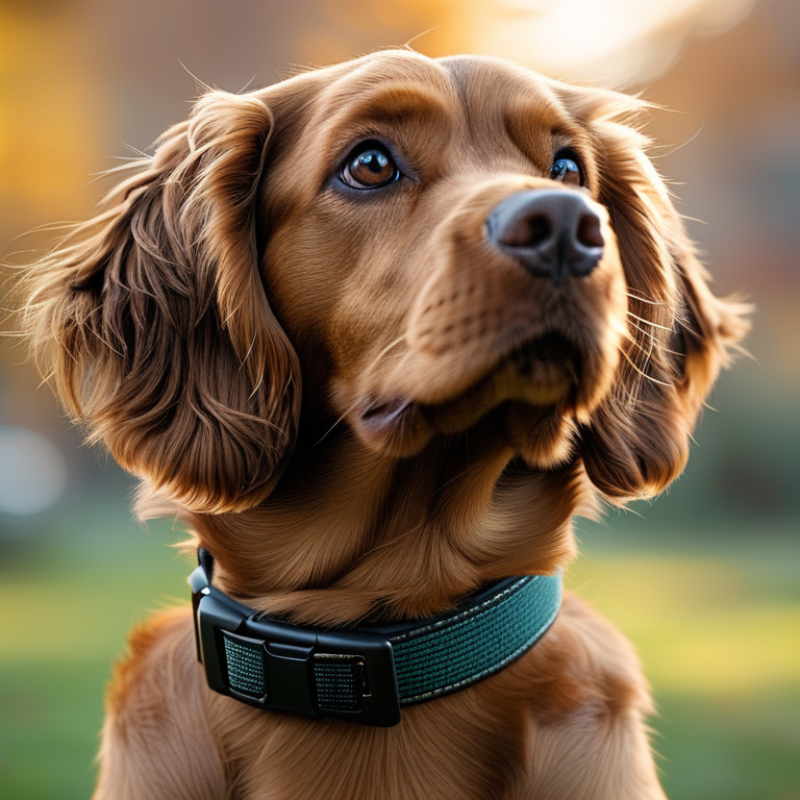
Choosing the right collar for your pet is essential. It’s more than just a fashion statement. A collar should be comfortable, durable, and functional. Consider your pet’s size and breed. Small dogs may benefit from lightweight materials, while larger breeds might need something more robust.
The fit of the collar is crucial. It shouldn’t be too tight. A good rule is to fit two fingers comfortably between the collar and your pet's neck. Always check your pet's skin for irritation after wearing the collar. Some materials can cause discomfort, especially for pets with sensitive skin.
Reflect on the purpose of the collar. Is it for training, identification, or style? Collars designed for training might have specific features. It’s vital to assess how your pet behaves on a leash. Sometimes a collar can be too distracting for a dog. You might notice they chew on it or attempt to escape. Understanding these behaviors helps you make a more informed choice.
Choosing the right materials for pet collars is crucial for comfort and safety. Many collars are made from nylon, leather, or even bio-based materials. Nylon is popular due to its affordability and durability. A study found that over 60% of pet owners prefer nylon collars for everyday use because they are lightweight and easy to clean. However, they may not be as resilient as leather options.
Leather collars offer durability and a classic look. They can withstand wear but need proper maintenance. In one survey, 45% of pet experts recommend leather for larger breeds, citing its strength and longevity. Nonetheless, leather collars can be heavy for smaller pets and may cause irritation if not fitted correctly.
Bio-based materials are emerging, focusing on sustainability. These collars often use recycled materials or organic cotton. Yet, their durability is often questioned. Some users report fraying after several months of use. This highlights the importance of balancing sustainability with practicality. When selecting a collar, consider your pet's size, behavior, and needs. Each material has its pros and cons, contributing to the ongoing debate on the best options for pet collars.
When choosing a collar for your pet, unique features can greatly enhance safety and comfort. According to the American Pet Products Association, over 67% of U.S. households own a pet. This surge means that pet owners must be well-informed about collar choices.
Reflecting on your pet’s specific needs is vital. For instance, consider adjustable collars, which grow with your pet. This feature is especially crucial for young animals. Moreover, padded collars add comfort for active pets. Research from the Journal of Veterinary Behavior indicates that comfort reduces anxiety.
Tip: Always ensure the collar fits snugly but allows for two fingers to fit underneath. This prevents escape and choking hazards.
Another feature to explore is reflective material. It increases visibility, especially during nighttime walks. Reports show that pets without proper visibility face a higher risk of accidents.
Tip: Regularly inspect the collar for wear and tear. Damaged collars can pose serious safety risks.
Ultimately, the right collar should blend durability, comfort, and practicality. Each pet is unique, and evaluating these features carefully can enhance their safety and well-being.
| Pet Type | Material | Unique Feature | Size Options | Color Variety |
|---|---|---|---|---|
| Dog | Nylon | Reflective strip for visibility | S, M, L, XL | Red, Blue, Green |
| Cat | Cotton | Safety breakaway buckle | XS, S | Pink, Purple, Yellow |
| Medium Dog | Leather | Personalized name tag | M, L | Brown, Black |
| Small Dog | Neoprene | Lightweight and water-resistant | XS, S | Navy, Light Blue |
| Cat | Polyester | Glow in the dark | S, M | Glowing Green, Glowing Blue |
When selecting collars for different dog breeds, style and function are key. Larger breeds, like Great Danes or Mastiffs, often need sturdy collars. These collars should have strong buckles to withstand their strength. A wide, padded collar distributes pressure evenly. This fit enhances comfort and safety during walks.
Smaller breeds, such as Chihuahuas or Pomeranians, require delicate options. Lightweight materials are ideal. A basic nylon collar often suffices, providing comfort without adding weight. Personalized designs can be charming, yet practicality is essential. In addition, reflective features benefit nighttime visibility.
Mixed breeds present unique challenges. Understanding each breed’s traits aids in collar selection. It’s vital to ensure a snug fit without causing discomfort. Adjustability becomes crucial, especially for growing pups. Regular assessments of the collar's fit will help prevent any issues. Thus, adapting to your pet's needs is part of responsible ownership.
When choosing collars for your pets, safety is paramount. Many collars are available, but not all are suitable for every pet. Small pets and cats require special consideration due to their delicate necks. Look for collars with adjustable sizes. This helps to ensure a snug but comfortable fit. Soft materials, like cotton or neoprene, can prevent chafing. Cats may appreciate breakaway collars that release if they get caught on something.
Comfort should never be compromised. A well-fitted collar allows free movement and doesn’t hinder playtime. Some collars even come with added padding for extra comfort during long wear. Reflective materials can enhance visibility, especially during evening walks. This simple feature can make a difference in your pet's safety.
Not every collar fits every pet perfectly. Consider your pet's behavior and lifestyle. Some collars may irritate more active pets. Regularly check for wear and tear, and replace collars as needed. Pets may also have individual preferences. Notice if they scratch or attempt to remove their collar. These signs can indicate discomfort. Keeping your pet comfortable and safe should always be a priority.
: Look for adjustable collars, padded materials for comfort, and reflective features for visibility.
The collar should fit snugly but allow two fingers to fit underneath. This prevents escape and choking.
Padded collars enhance comfort, especially for active pets. This can help reduce anxiety during play.
Soft materials such as cotton or neoprene are ideal. They prevent chafing and provide comfort.
Regular inspections are crucial. Check for wear and tear to ensure your pet's safety.
Observe their behavior. Attempting to scratch off the collar may indicate discomfort that needs addressing.
Yes, reflective material increases visibility during nighttime walks, reducing accident risks for your pet.
No. Different pets have unique needs regarding collar type, material, and size. Always evaluate suitability.
Pets can have preferences. Monitor their comfort and consider alternatives if they show signs of irritation.
Select adjustable collars designed to accommodate growth. This is key for young and growing pets.
When selecting pet collars for dogs and cats, it's essential to consider several key factors that ensure comfort and safety. Top considerations include the size, weight, and breed of your pet, as well as the intended use of the collar, whether for identification or training. Understanding the best materials, such as nylon, leather, and reflective fabrics, can enhance durability and visibility during outdoor activities.
Moreover, unique features like quick-release buckles, adjustable sizes, and built-in ID tags add functionality to pet collars. Different styles cater to various dog breeds, allowing for both aesthetic appeal and practicality. For cats and small pets, it is crucial to choose safe and comfortable options that prevent choking and accommodate their delicate necks. Overall, the appropriate pet collar not only serves as a practical accessory but also enhances the bond between pets and their owners.