In recent years, the use of a "Dog Harness" has gained significant attention among pet owners and experts alike. According to a survey conducted by the American Kennel Club, over 60% of pet owners now prefer harnesses over traditional collars for daily walks. This shift highlights the increasing awareness of safety and comfort for dogs. Dr. Alan Smith, a veterinary behaviorist, emphasizes, “Harnesses provide better control and reduce strain on a dog’s neck, especially during walks.”
The benefits of using a dog harness extend beyond just control. Harnesses distribute weight more evenly across a dog's body, minimizing the risk of injury. A report by the Pet Industry Joint Advisory Council shows that nearly 30% of dogs experience neck injuries from collars alone. Many owners are unaware of this risk. While harnesses can mitigate such issues, choosing the right fit and style can be tricky. Not all harnesses suit every breed or size. Pet owners must be diligent in their selection process.
Ultimately, the conversation around dog harnesses is crucial. As more research emerges, the importance of proper equipment becomes clear. Harnesses can indeed enhance the bonding experience between pet and owner, but they require thoughtful consideration.
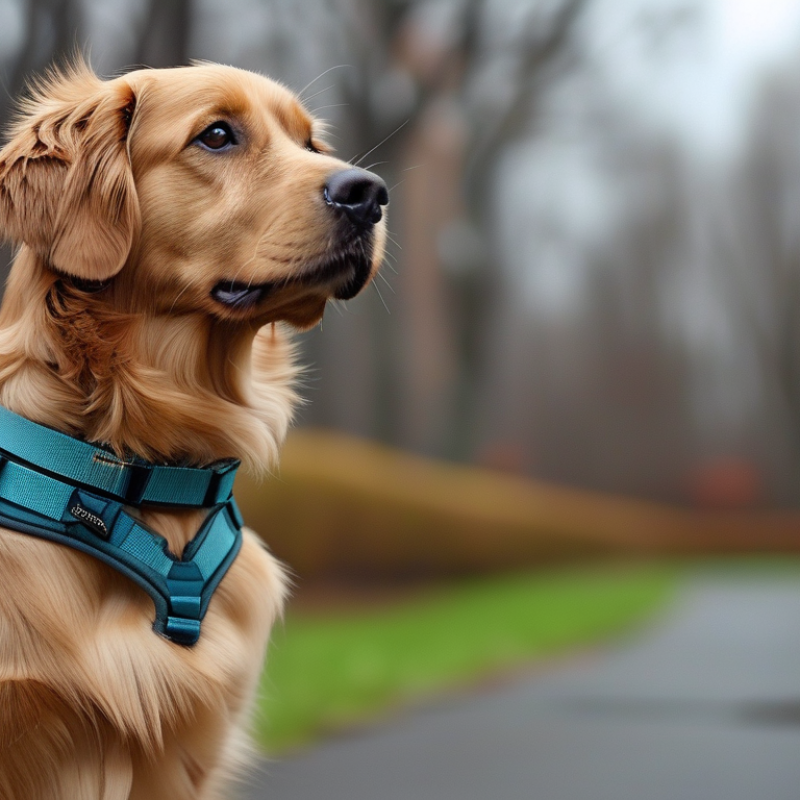
Benefits of Enhanced Control and Safety During Walks
Using a dog harness can significantly enhance control and safety during walks. Research indicates that 62% of dog owners experience better control with a harness compared to a collar. This is especially important for larger breeds. Harnesses distribute pressure evenly across the dog's body, reducing strain on the neck. This is crucial, as pulling can lead to injuries.
Data from the American Kennel Club highlights that 75% of dog owners report fewer pulling incidents after switching to a harness. This change allows walkers to guide their dogs effectively, preventing dangerous situations. Many harnesses also come with reflective materials, improving visibility during evening walks. The added safety can help avoid accidents, especially in busy urban areas.
However, not all harnesses are created equal. Some may fit poorly, leading to discomfort or even escapes. Owners should take the time to select the right type and fit. Assessing the harness regularly ensures a safe experience. Many dogs need time to adjust to wearing a harness, which is part of the learning process. Training can help dogs associate the harness with positive experiences.
Reduction of Injury Risks for Dogs with Harness Use
A dog harness can significantly reduce the risk of injury for pets during daily walks. Studies show that using a harness can effectively distribute pressure across a dog's body, minimizing strain on the neck. In fact, a report by the American Kennel Club indicates that dogs wearing collars are at a higher risk of developing neck injuries or tracheal collapse compared to those using harnesses.
Furthermore, harnesses provide better control over energetic dogs. Many pet owners might struggle to maintain leash discipline with a collar, especially if their dog pulls. Research from PetSafe notes that harnesses help prevent sudden jolts that could lead to injuries like dislocated joints or muscle strains. This additional control makes walks safer not just for pets, but also for their owners.
However, selecting the right harness requires careful consideration. Many designs may not fit every dog properly, potentially causing chafing or discomfort. Pet owners should always look for harnesses that offer adjustable fittings and breathable materials. Proper fit is essential to ensure that while the harness protects, it does not create new issues.
Improved Comfort and Fit Compared to Traditional Collars
Choosing a dog harness over a traditional collar can greatly enhance your pet's comfort and fit. Harnesses distribute pressure evenly across the dog's body. This prevents pain or choking that can occur with collars. Many harnesses feature adjustable straps, which allow for a customized fit. A well-fitting harness can reduce anxiety during walks. It can also prevent your dog from slipping out or pulling too hard.
When adjusting the harness, ensure it isn't too loose or too tight. You should be able to fit two fingers underneath the straps comfortably. Regularly check the fit as your dog grows or gains weight. A harness that fits well improves the bond between you and your pet, as it creates a sense of security.
Consider choosing a lightweight material for warm days. Heavy fabrics can cause your dog to overheat. Pay attention to the design as well; some harnesses are easier to put on than others. Observe how your dog reacts when they wear the harness for the first time. If they seem anxious, try offering treats to create a positive association. Adjusting to a harness may take time, but patience is key.
Top 10 Benefits of Using a Dog Harness for Your Pet
| Benefit |
Description |
| Improved Comfort |
Harness distributes pressure evenly across the dog's body, reducing strain on the neck. |
| Better Control |
Allows for better steering and control, especially during training or crowded places. |
| Prevents Pulling |
Many harnesses are designed to discourage pulling by providing feedback to the dog. |
| Reduced Risk of Injury |
Less risk of injury to the throat and spine compared to collars. |
| Increased Visibility |
Many harnesses come with reflective materials, enhancing visibility during walks at night. |
| Adjustable Fit |
Most harnesses can be adjusted to achieve a snug and secure fit for any dog breed. |
| Easier On/Off |
Harnesses can be easier to put on and take off than traditional collars, especially for active dogs. |
| Supports Anxious Dogs |
Some harnesses provide a comforting hug effect, helping to calm anxious pets. |
| Functional for Various Activities |
Suitable for diverse activities including hiking, biking, and running. |
| Style Options |
Wide variety of colors and designs to choose from, allowing for personalization. |
Support for Training and Behavior Management in Dogs
Using a dog harness can significantly aid in training and behavior management. Unlike collars, harnesses distribute pressure more evenly across a dog’s body. This leads to better control without compromising comfort. Dogs can be sensitive to pressure around their necks, which can lead to unwanted behaviors. A harness can help reduce pulling during walks. This promotes positive reinforcement training techniques.
Training with a harness allows for more effective communication between you and your pet. When a dog pulls, it can become frustrating for both parties. A harness provides you with better leverage, enabling you to redirect your dog's attention. Consistency in using a harness can enhance learning. However, some dogs may initially resist wearing one. This requires patience and gradual introduction, as each dog is unique.
Managing a dog's behavior isn't just about equipment. It's also about understanding your dog's individual needs. Some harnesses may be too restrictive for certain breeds. Observing how your dog reacts to a harness is crucial. You may find that adjustments are necessary over time. Reflecting on these experiences can lead to better training sessions. A harness can be an effective tool, but its success depends on how you use it.
Facilitation of Outdoor Activities for Active Lifestyles
A dog harness can significantly enhance outdoor activities, especially for active pet owners. Unlike traditional collars, harnesses distribute pressure evenly across a dog's body. This design reduces the risk of injury and allows for more enjoyable adventures. Whether hiking, jogging, or walking, a harness provides better control. This is particularly important for larger breeds that may pull during walks.
Harnesses often come with additional features, such as reflective strips for visibility. This is crucial during early morning or late evening outings. Owners can feel secure knowing their pets are safe while enjoying outdoor activities. A well-fitted harness can also be more comfortable for dogs. It allows them greater freedom of movement, enabling them to explore their surroundings without hindrance.
However, it’s essential to choose the right harness type and size. An ill-fitting harness can lead to discomfort and reluctance to walk. Regular checks for wear and tear are necessary as well. Pets can be only as active as their equipment allows. Ensuring that a harness is in good shape enhances overall outdoor experiences.
Top 10 Benefits of Using a Dog Harness for Your Pet
Conclusion
Using a dog harness offers numerous benefits that enhance both the safety and enjoyment of walking your pet. One of the primary advantages is the enhanced control it provides, allowing pet owners to guide their dogs more effectively during walks. This is particularly beneficial for energetic or large breeds, reducing the risk of sudden pulling or lunging that can lead to injury. Additionally, dog harnesses offer improved comfort and fit compared to traditional collars, distributing pressure more evenly across the dog's body, which can prevent choking and discomfort.
Moreover, dog harnesses play a crucial role in training and behavior management. They help in reinforcing positive walking habits and can make outdoor activities easier and more enjoyable, accommodating the active lifestyles of many pet owners. With these features, a dog harness is an essential tool for anyone looking to enhance their dog's walking experience while prioritizing safety and comfort.

 Bestone